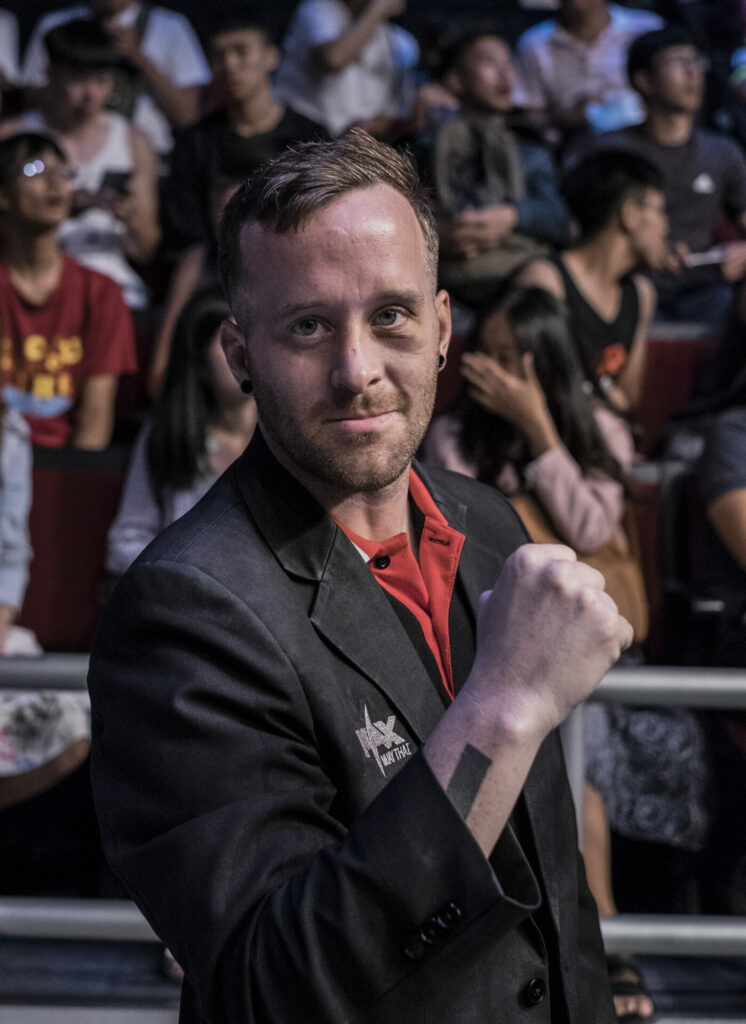
MATT LUCAS, BOXER, COACH, MANAGER, JOURNALIST, SPORTS COMMENTATOR, AUTHOR OF THE MUAY THAI BIBLE “MUAY THAI – THE COMPLETE INSIDER’S GUIDE TO TRAINING, FIGHTING AND BUSINESS”

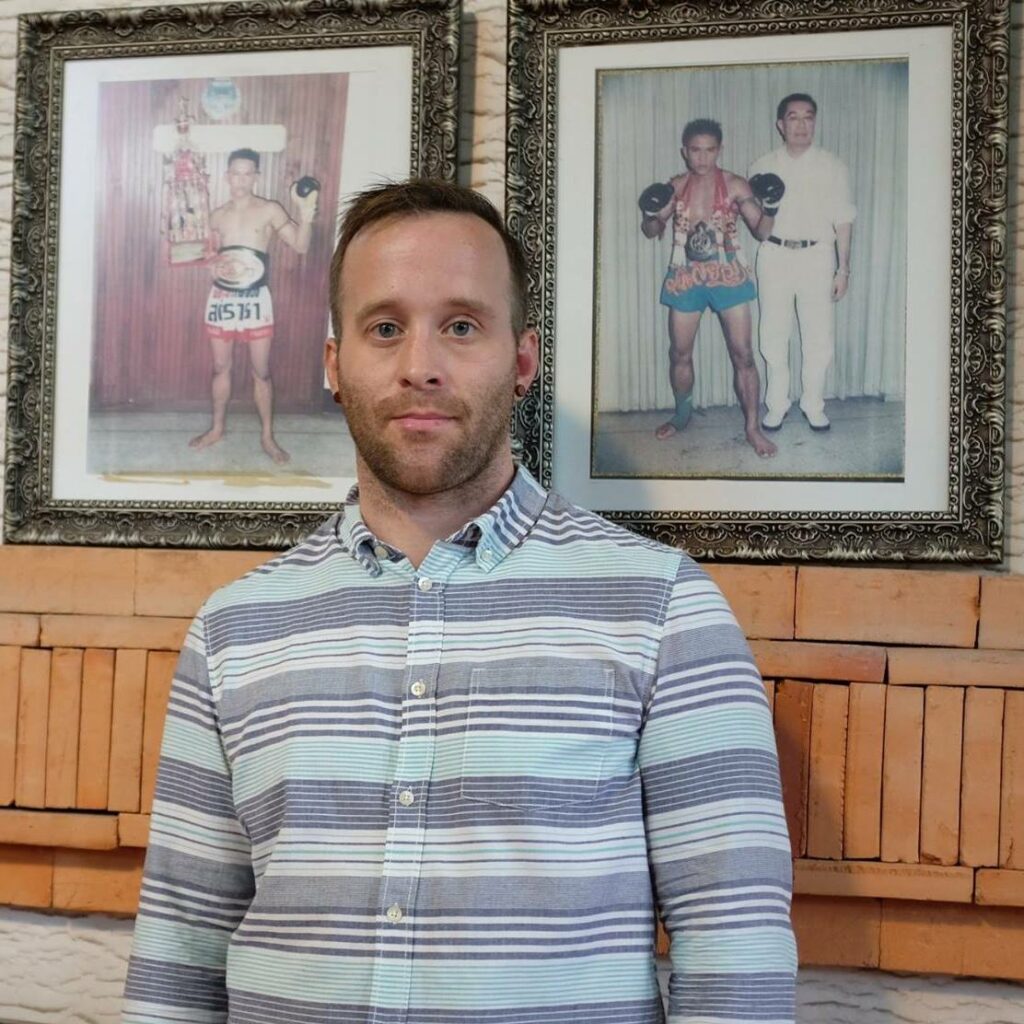
MATT LUCAS, BOXER, COACH, MANAGER, JOURNALIST, SPORTS COMMENTATOR, AUTHOR OF THE MUAY THAI BIBLE “MUAY THAI – THE COMPLETE INSIDER’S GUIDE TO TRAINING, FIGHTING AND BUSINESS”!
By Serge TREFEU (2026)
Serge TREFEU: Hello Matt, in which region of the United States were you born and raised?
MATT LUCAS: I was born in upstate New York. There were cows, corn, and apple trees. There weren’t many jobs and there wasn’t much to do. My goal was to leave the small town of Cobleskill. I did it…
Did you practice any other sports before taking up Muay Thai?
I wasn’t into martial arts growing up. My dad was a former golden gloves boxer. His old gloves hung up on the mantal. He fought 2x as a pro and got flattened in both.
I have terrible eyesight and didn’t get contacts until I was in my early 20’s. So I was very bookish for a long time.
But I got into the Muay Thai when I was about 23. I didn’t want a career, didn’t want to go to college, and I didn’t want to end up as a drunk. So I started going to a Muay Thai gym in Oakland California, where fate and a few choices brought me
In the town where you grew up, were there any Muay Thai gyms?
In my hometown there were no Muay Thai gyms.
In the Bay area there were a handful. Fairtex was still around but was falling apart because Alex Gong passed away and the management at the time was slowly killing it.
But a lot of the trainers like Bunkerd, Jongsanan, Ganyao moved to other locations in the Bay Area. I trained at Pacific Ring Sports in Oakland. Coke was a Thai trainer there. Mike Regnier is the owner
Muay Thai is becoming increasingly popular in the United States. Are there any American champions who inspired you?
Kevin Ross was THE name at the time in the sport when I was coming up.
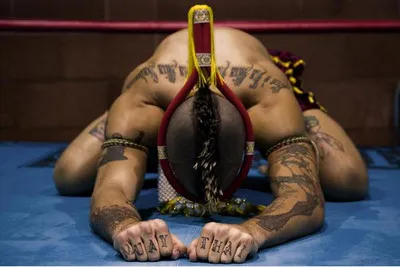
He’s very American. He did quite well for himself considering his place, abilities, and the opportunities open to foreigners at the time. I think most of the athletes in my era were influenced by him. The iconic photograph of him with his mongkol and tattoo’d knuckles is forever etched in my memory!
Which fighters did you admire when you started this sport?
I was friends with a lot of the Thai trainers from Fairtex. I admired Jongsanan, who is a good friend still.
I like many others watched a lot of youtube videos and highlights.
I remember fighting for the first time at Thepprasit stadium in 2007. Yodsanklai and Naruepol were there. I was a bit star struck. I remember shadowboxing and seeing them. They seemed godly at the time. Both were on the Contender Asia, a popular Muay Thai reality show, and I’d seen countless highlight clips.
At the time Thai fighters seemed so much better than foreigners. And for the most part they were. Except for my opponent that night, who gave up after the first round. I think he’d had enough of the angsty American and wanted to ride off with his motorbike money…
Did you fight as an amateur or a professional?
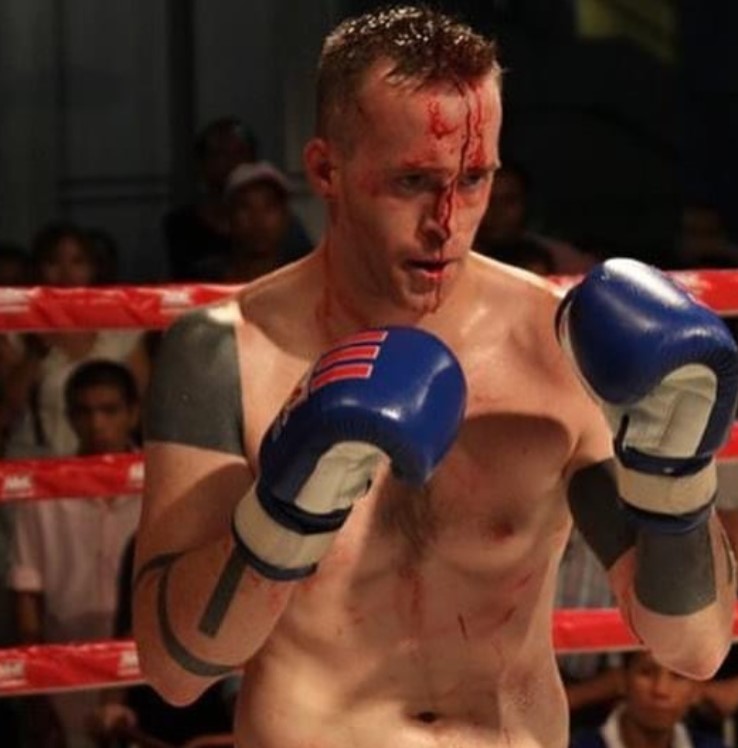
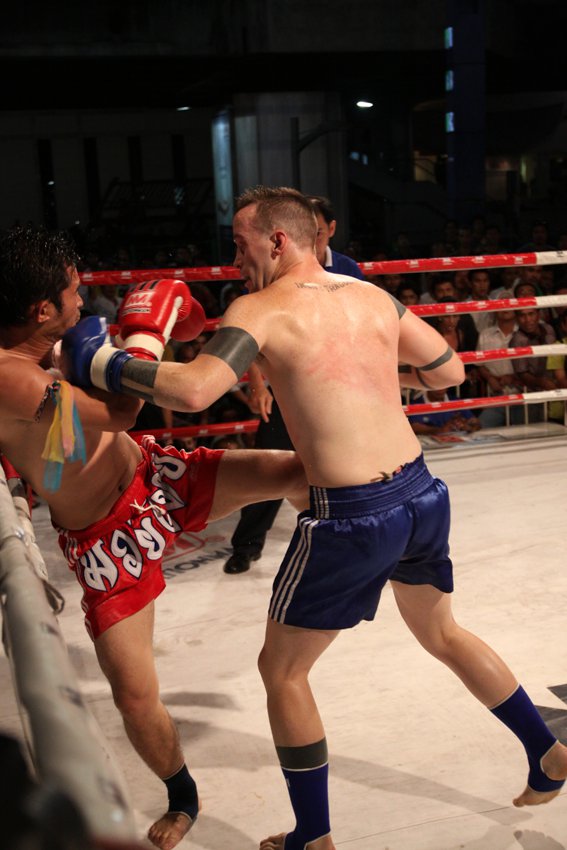
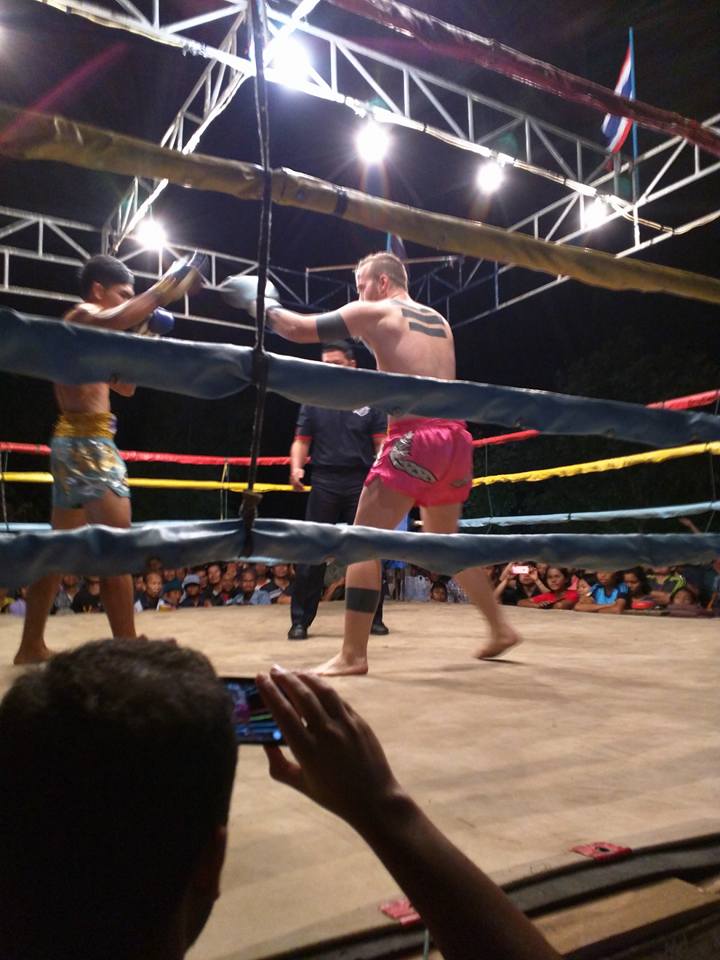
I fought about 45 times in total. About 15 smokers, 15 amateur fights, and 16 times in Thailand. I was an average fighter. I did well in the beginning but went through a hard spell in my amateur career.
It was a lot of kickboxing fights. I was Muay Khao (Strong Knees) and had difficulties adjusting to the rule set. I probably lost 5 bouts in a row. I just trudged forward and didn’t throw enough weapons. The pressure and stakes seemed high at the time. I think because most people didn’t fight and there weren’t many shows. Each loss seemed like a massive embarassment.
I did alright in Thailand. Like 9 wins and 5 losses but nothing very high level. I fought for the first time in 2007 in Thailand. I fought at Rajadamnern, MBK, Max, Isaan, Phuket. Anywhere that I could. Anywhere that it was possible.
I’ve had a good amount of experience, especially given my age and opportunities. It’s so easy to get fights now for foreigners. There are so many shows and if you are clever you can turn it into a real career. It’s the best time in history to be a Muay Thai fighter!
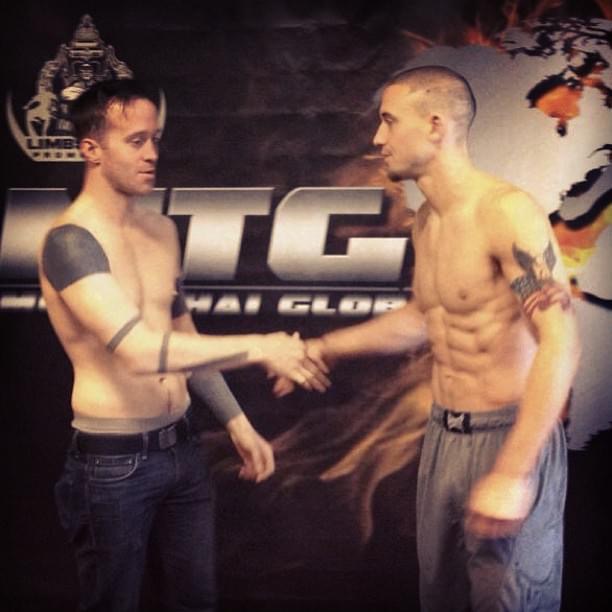
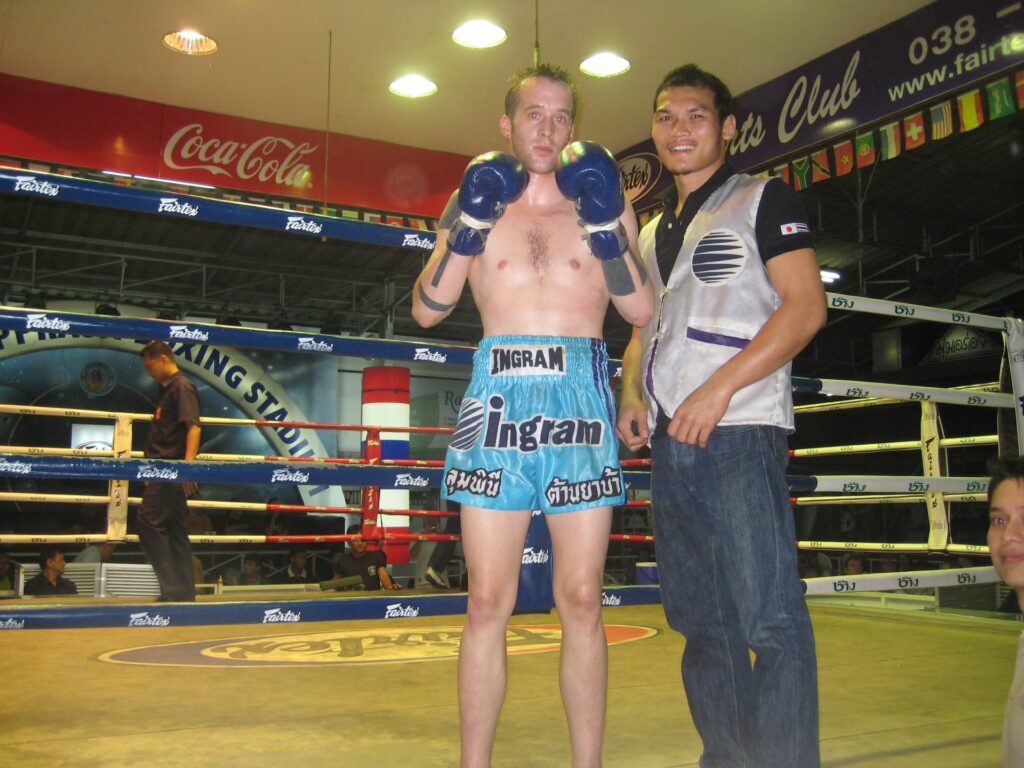
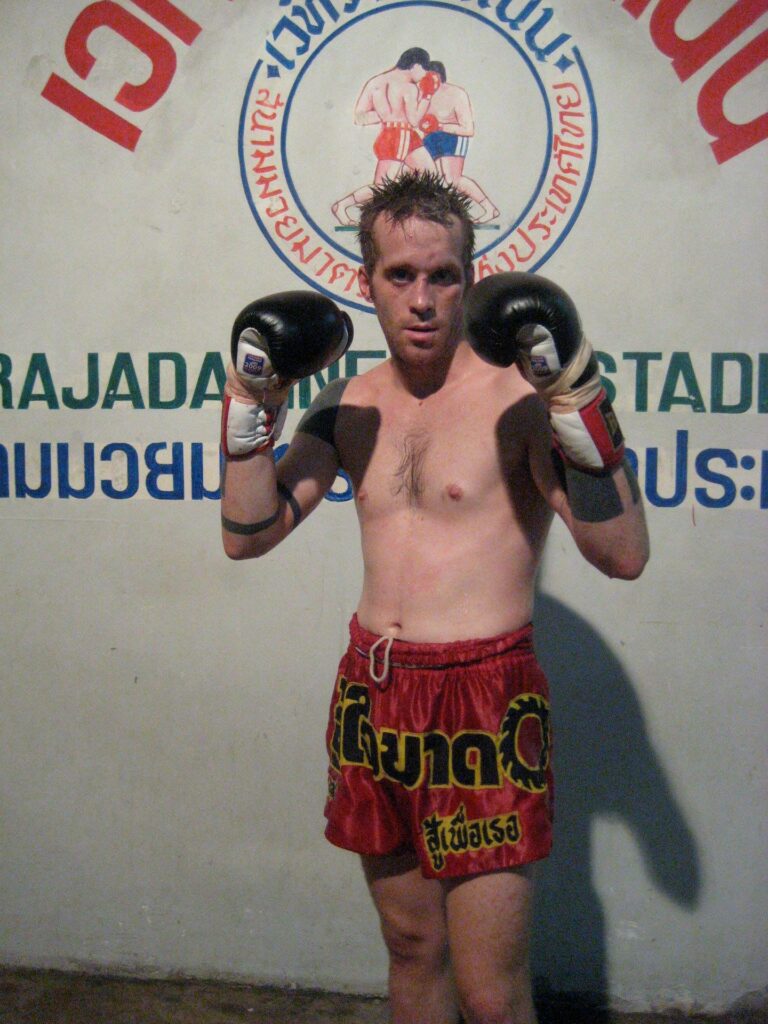
What year did you first come to Thailand?
I first came to Thailand in 2007 but moved to Thailand in 2016. So I’ve been here for over a decade now
Which boxing camps did you train at in Thailand?
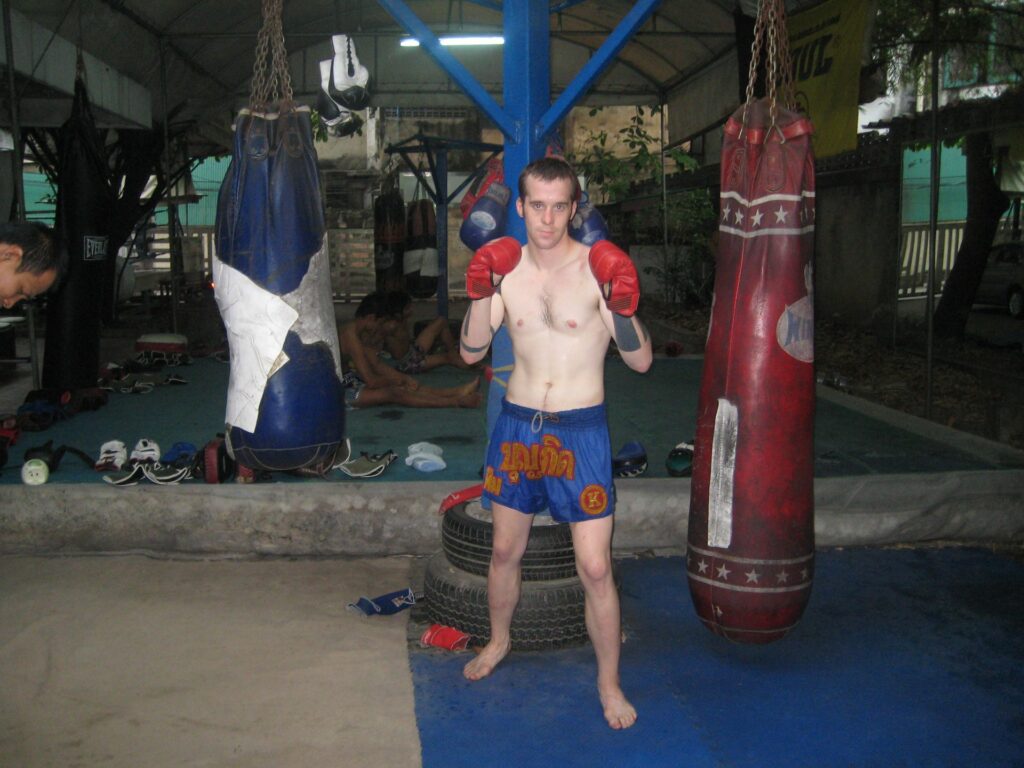
I trained at a variety of gyms. When I was most focused I trained at the now defunct Ingram Gym. It was owned by a Japanese expat, Hideki Suzuki. I liked the structure of it. It was very regimented. He gave me the opportunity to fight at Rajadamnern, so I am forever grateful for that.
I then trained and fought out of Sitmonchai, Fighting Spirit, FA Group, and Fairtex. I’ve also dropped into a variety of gyms over the years.
You don’t know how much a place shaped you until years later
What made you decide to become a Muay Thai coach?
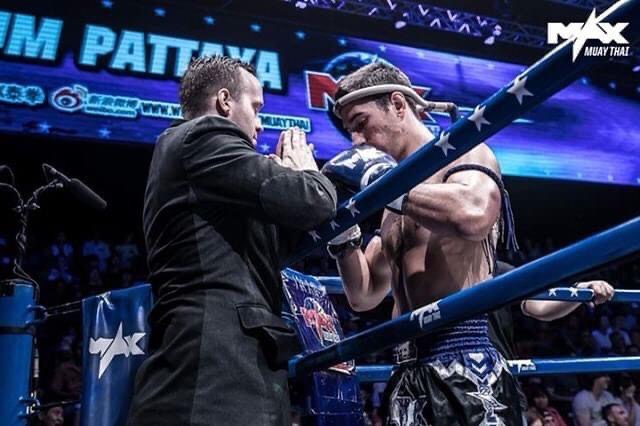
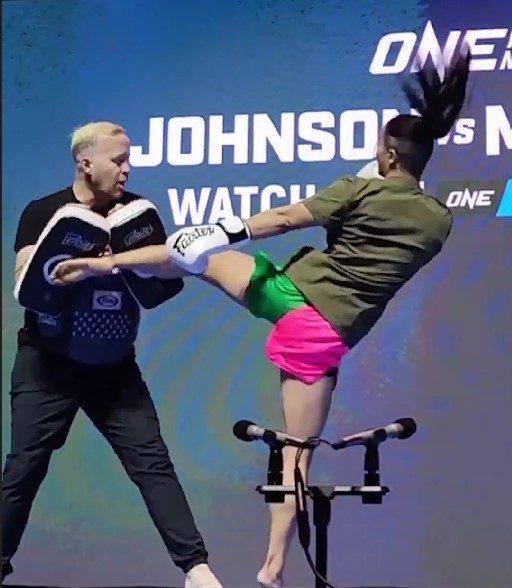
I helped train at my first gym in Oakland, Pacific Ring Sports. But I would say I actually helped coach at FA Group. I was there for about a year when the owner, Mr. Liam, asked for my help. I built out their website and helped them with dealing with the foreigners. I also began holding pads for the athletes, booking fights, cornering etc. It was really great experience.
For example I brought my friend Juan to Rajadamnern stadium. We worked a lot on his boxing for the fight. Just countless combinations on the focus mitts. Rat a tat tat. The goal was to get him to box into the clinch. He won the fight.
I spent about a year in that role as foreign liason
When did you get the opportunity to become a boxer manager?
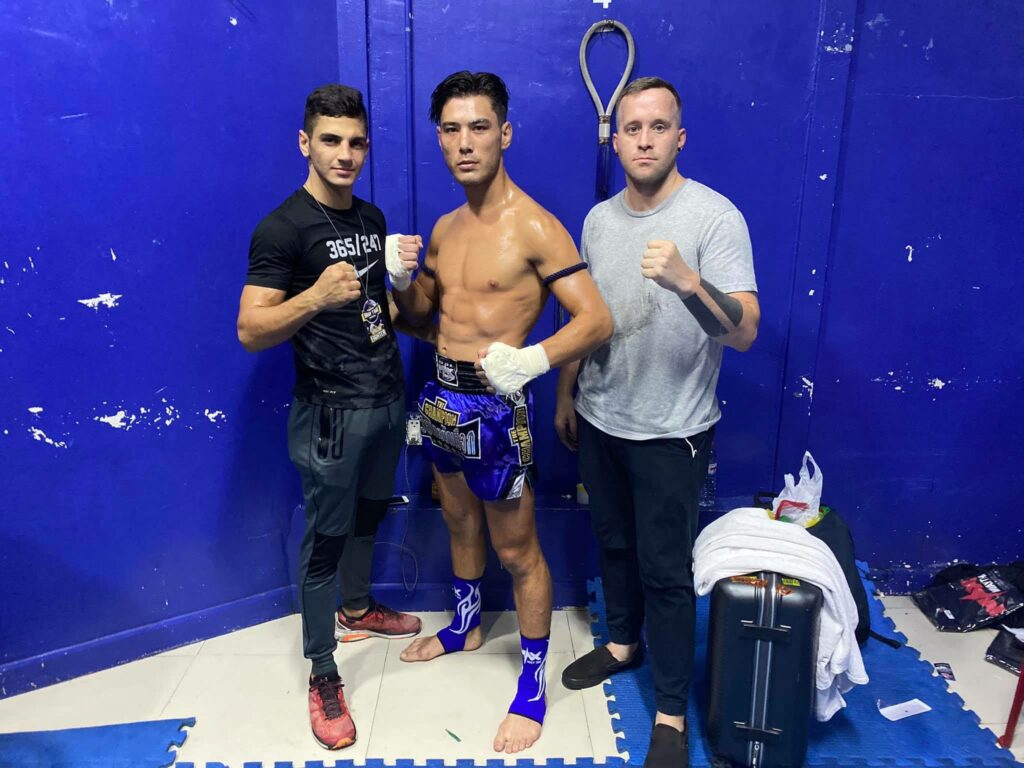
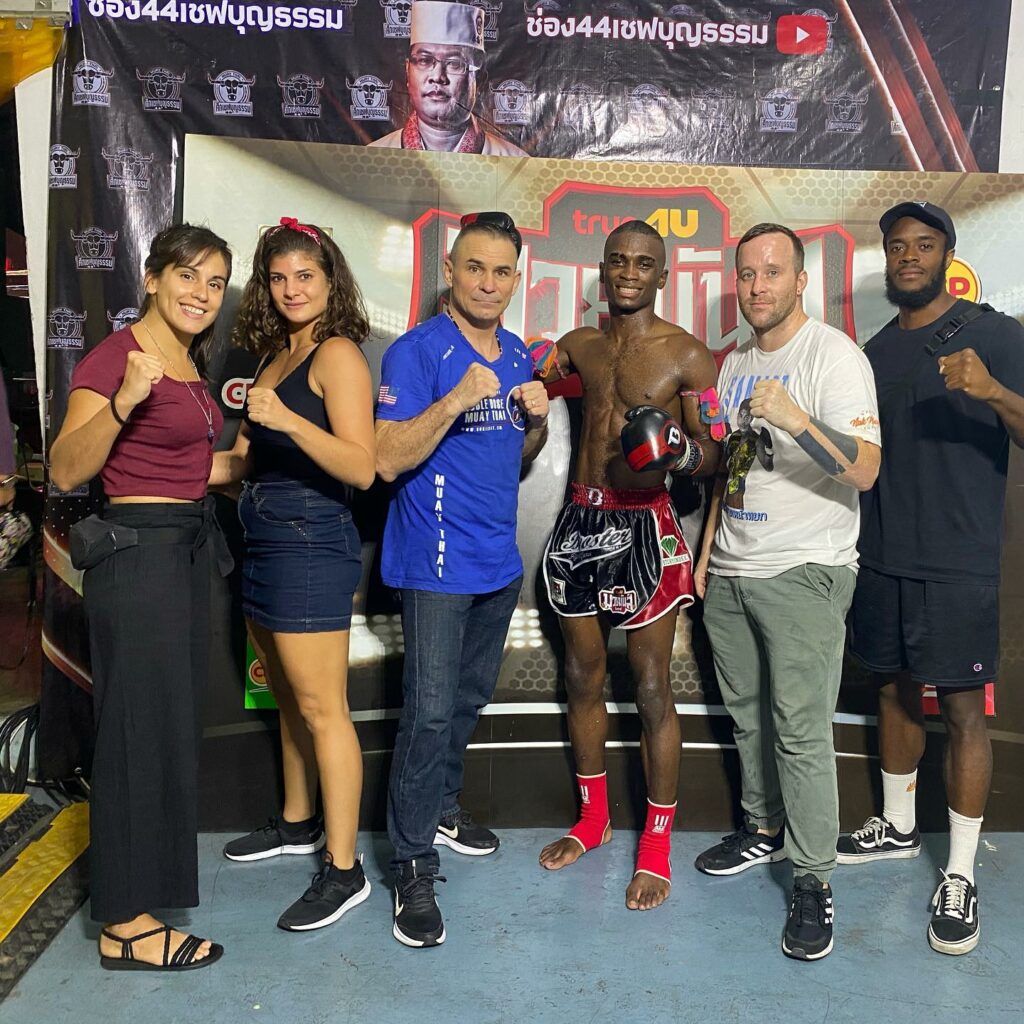
Working at FA Group taught me the basics of management. I’ve worked with athletes for different amounts of time. Some short, some of them long. I’ve worked with Brogan Stewart, Nathan Ward, Omar Halaby, Jalill Barnes, Smilla Sundell, Stamp Fairtex
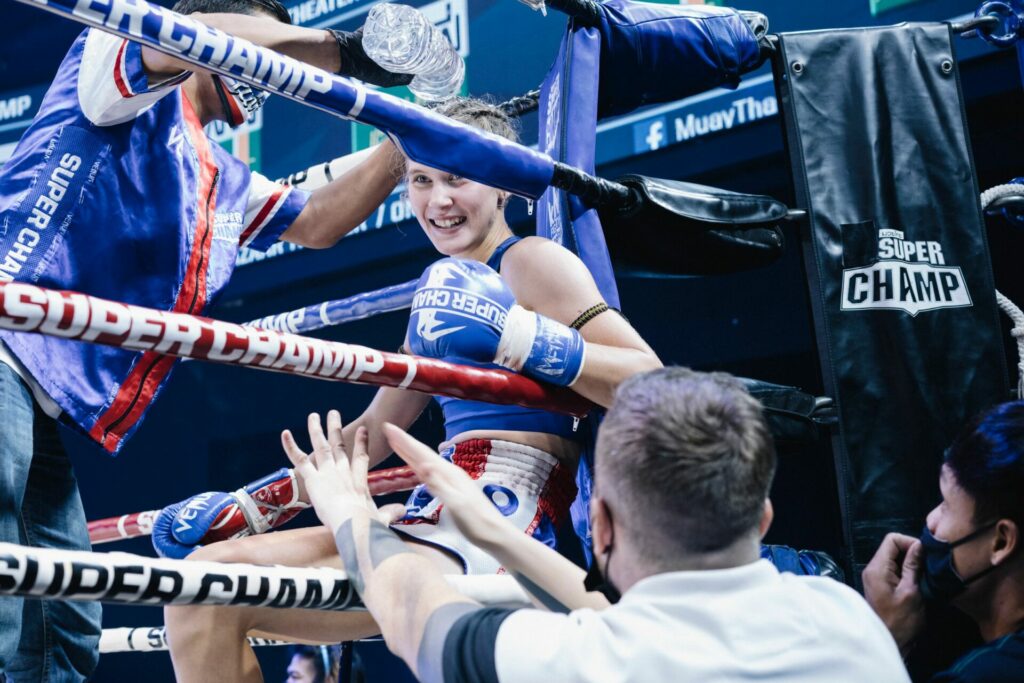
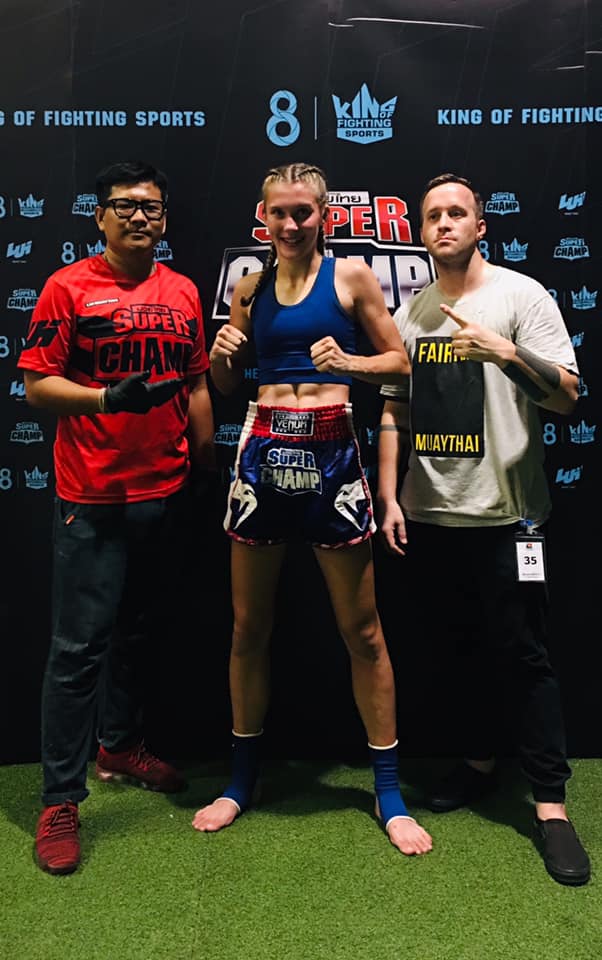
You worked for the WBC for a while. What was your role within this globally recognized organization?
I’m on a project by project basis with WBC but I’m very lucky to be consistently working on projects with them.
I help manage the WBC Muay Thai USA social media. For the headquarters I’ve worked on a variety of projects including media management for the Amazing Muay Thai Festivals and Seminars. I’m very grateful for the opportunities they have given me
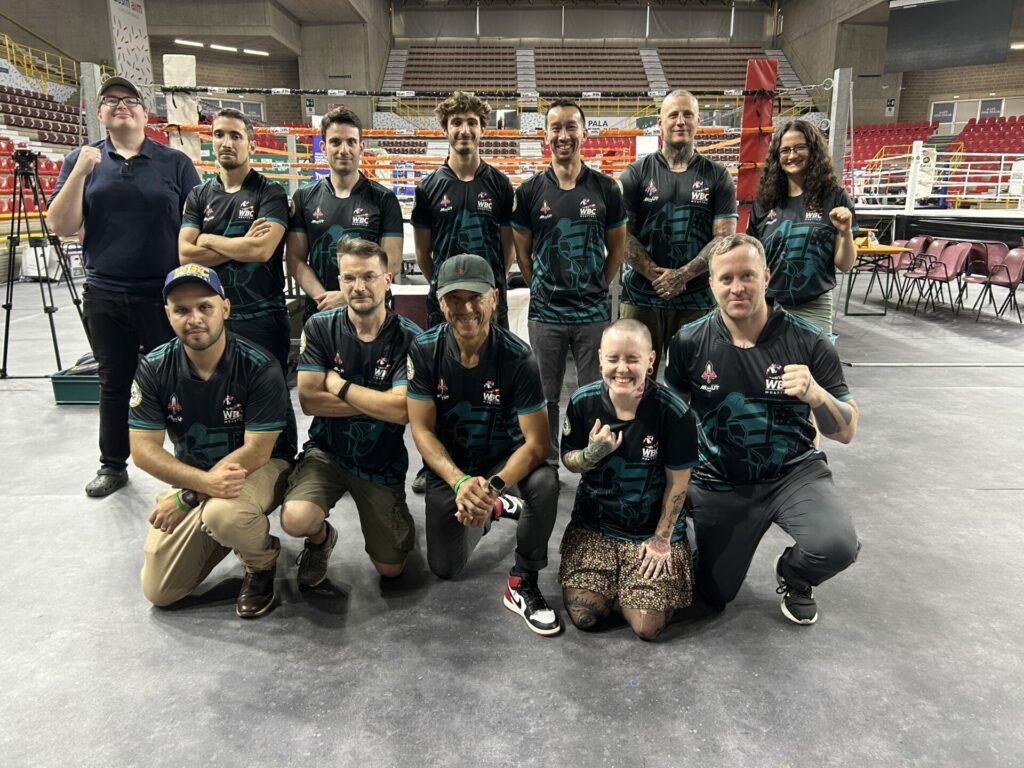
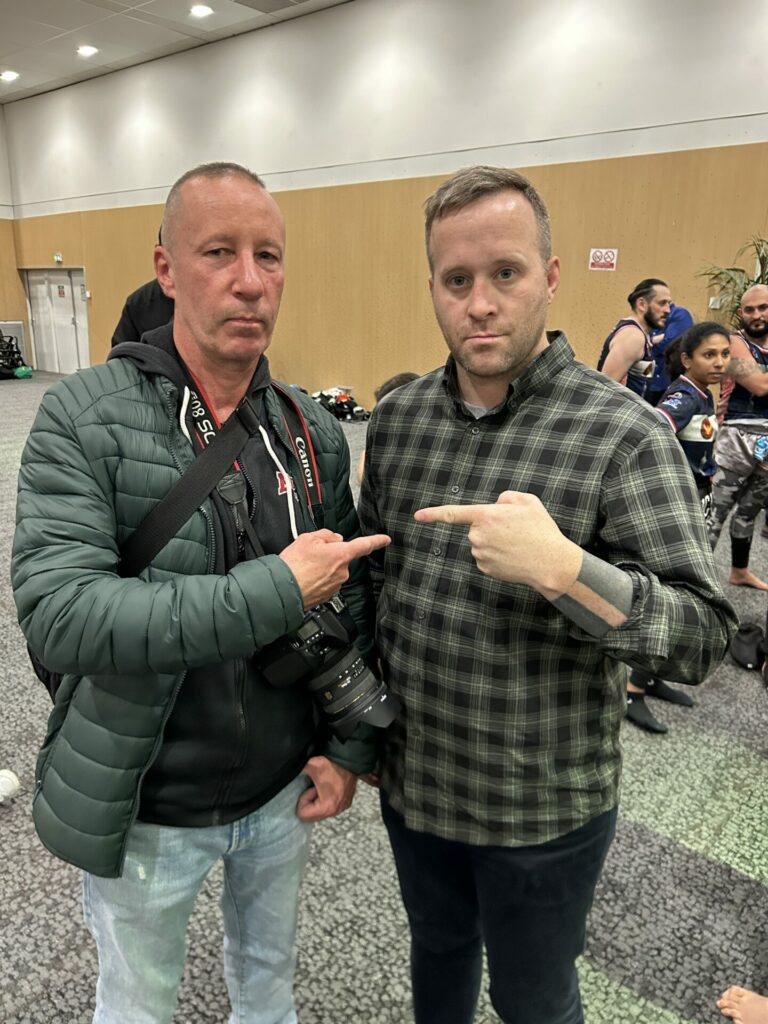
You spent a long time at the famous Fairtex camp in Pattaya. What were your responsibilities at this prestigious Muay Thai camp?
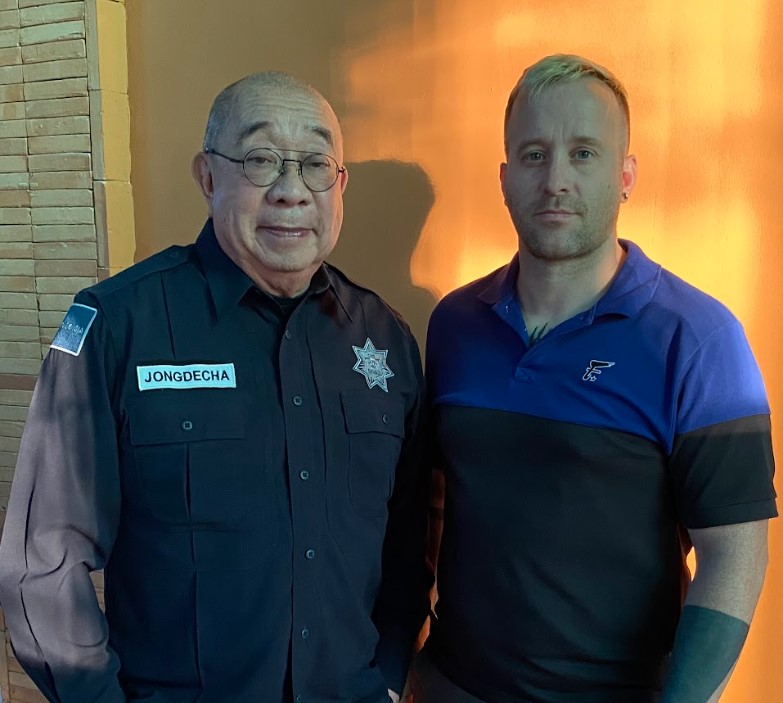
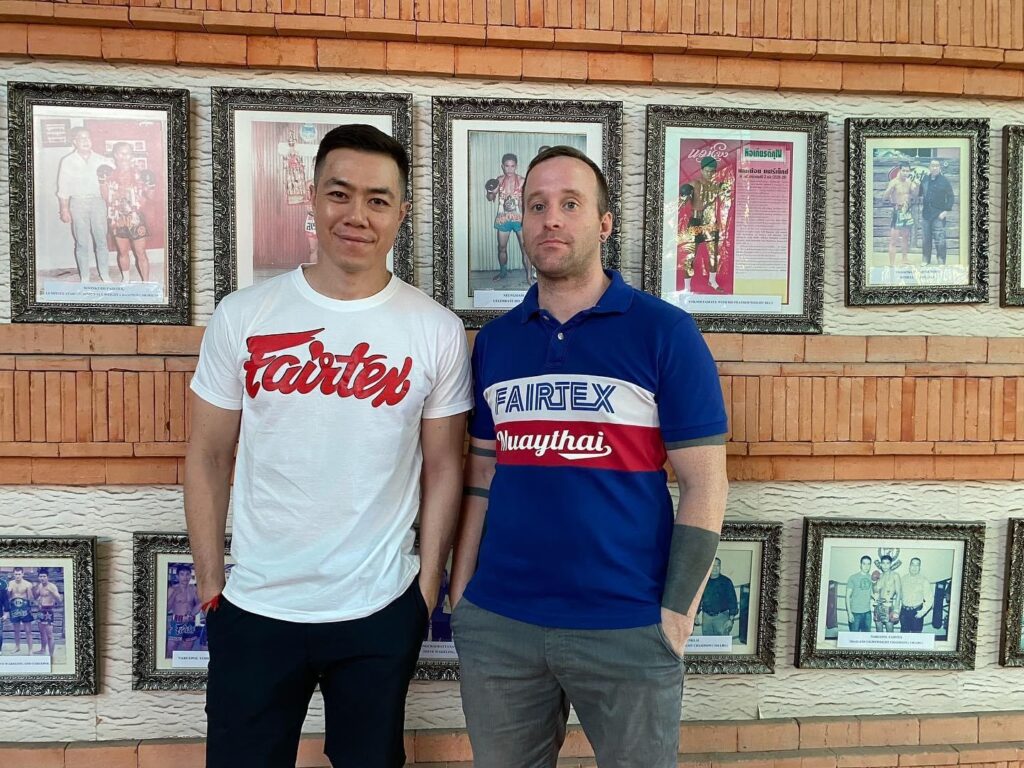
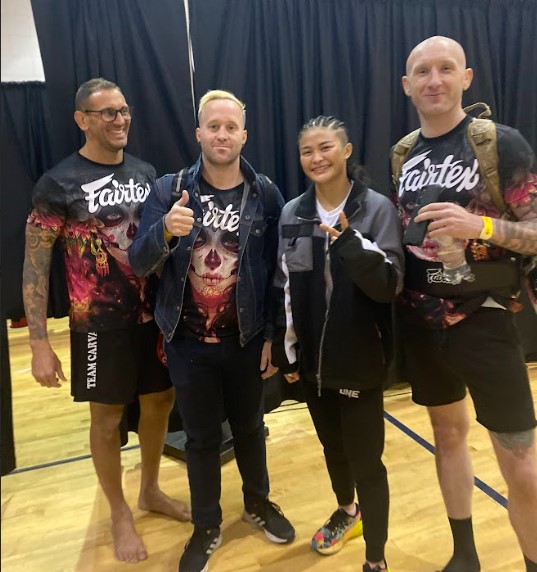
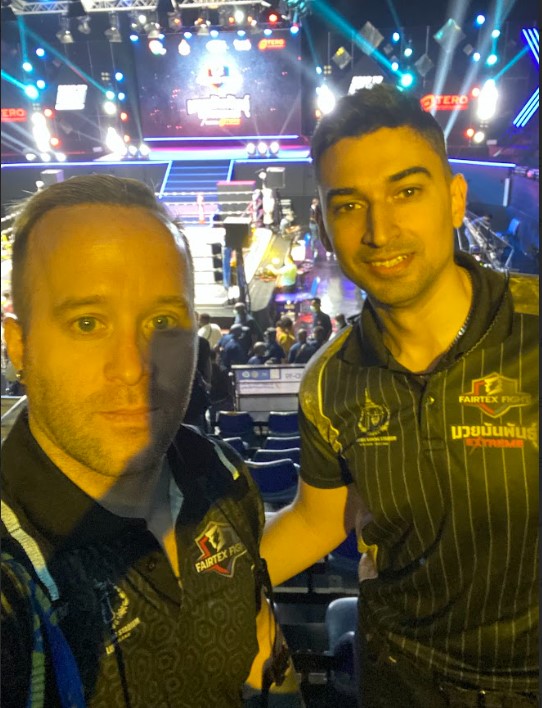
I was the director of Public Relations for Fairtex Training Center for 7 years. My duties were to manage and create content for the training center. I worked with Prem and Mr. Busarabavonwongs
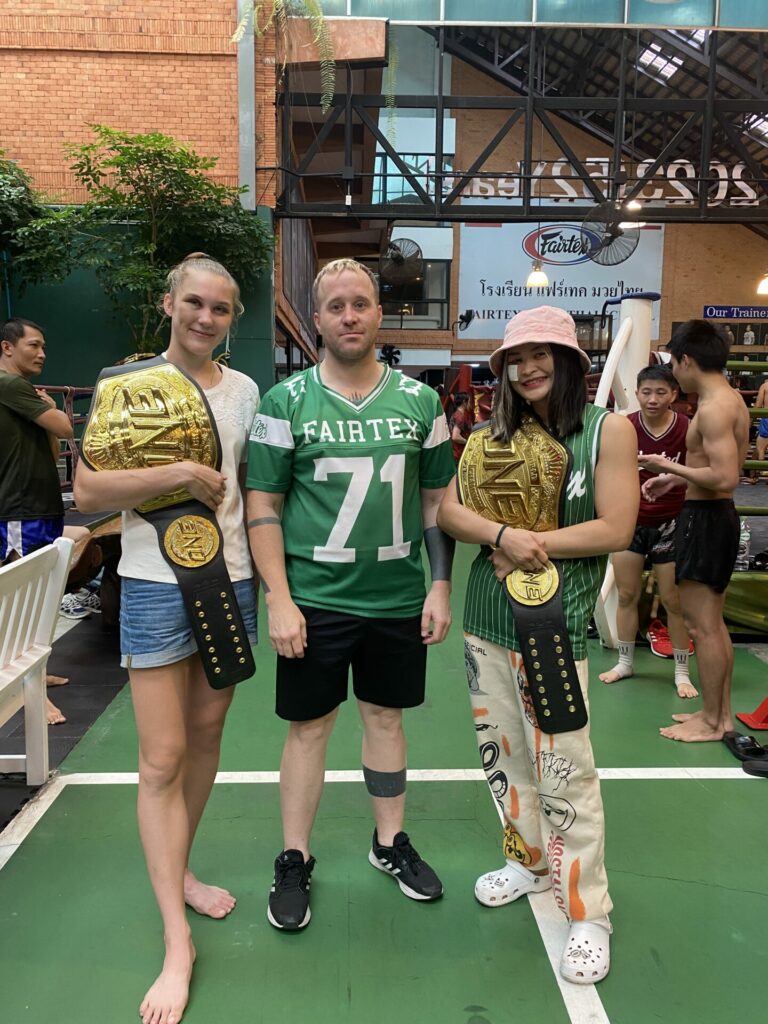
You became friends with ring star Stamp Fairtex. Can you tell us about meeting this exceptional champion?
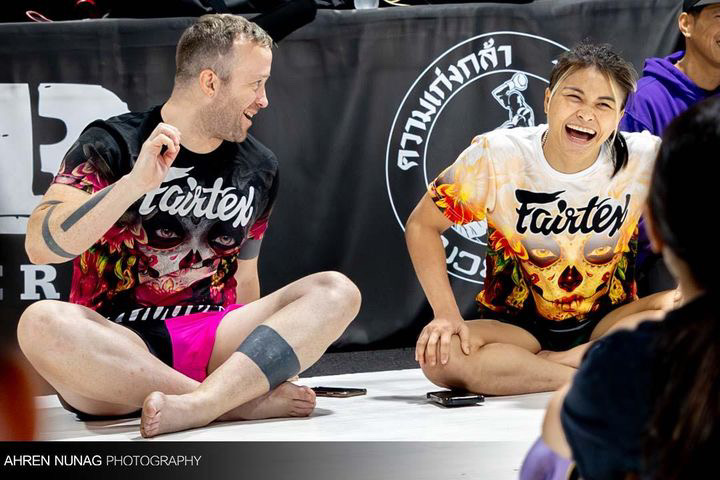
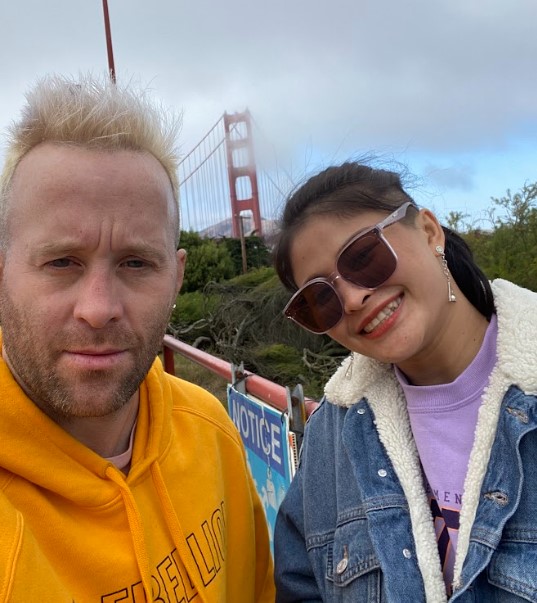
I met Stamp right when she started with ONE, before she’d gotten any belts. I remember seeing her at Max Muay Thai. I took a photo of her when I interviewed to work at Fairtex. What you see on social media is very true to her actual personality. She’s nice. She’s very Thai as well
What memories do you have of your time at the Fairtex Gym?
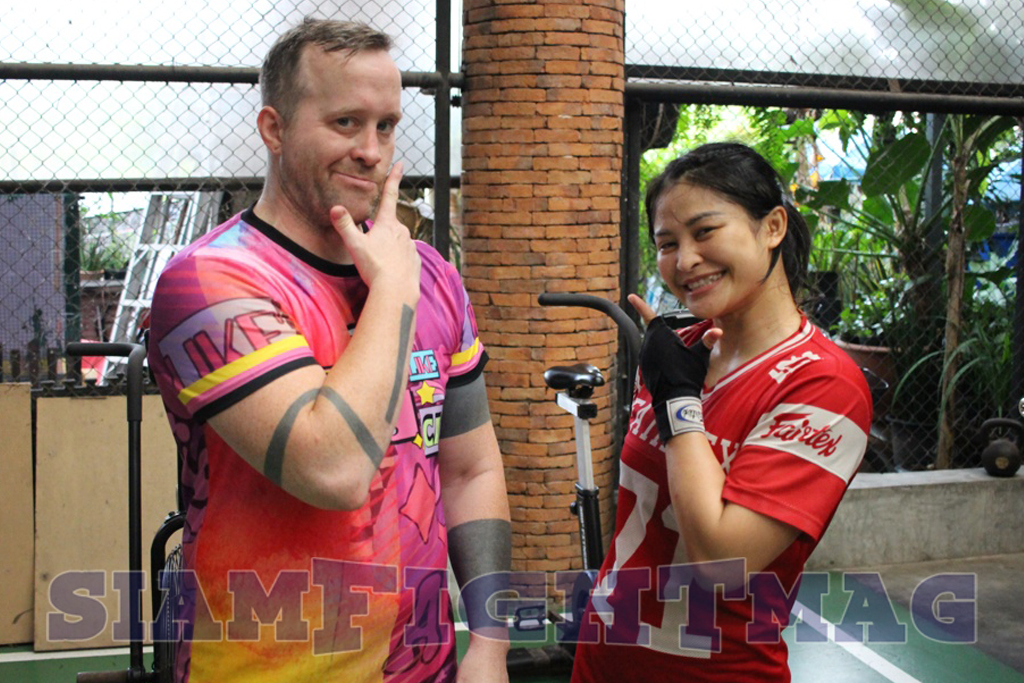
I have a lot of memories!
I fought a couple times while at the gym. I won both!
I remember after one fight Mr. Wong came up to me.
“Matt, I heard you fought last night what are you doing? You are not a fighter.” He wasn’t joking.
The trips with Stamp and Smilla around the world were very memorable, partially because I documented them.
Stamp and I spent a month in Colorado. It snowed and her eyes were bigger than the moon when she saw the flakes fall from the sky. But I was just cold.
Smilla and I ran across the Brooklyn Bridge together. We also went to Universal studios in Hollywood. She really likes trying out different fast food places in the USA so on our seminar tour we stopped at a lot
You also interviewed many fighters. Which famous champions did you meet, and which ones made the biggest impression on you?
I like fighters that are still around and still have a love for the game. People like Lamnamooon Sor Sumalee, Kru F of Sitjaopho, Chao Fairtex, Chris Forster. The fighters whose blood is Muay Thai. They are the ones I like the most
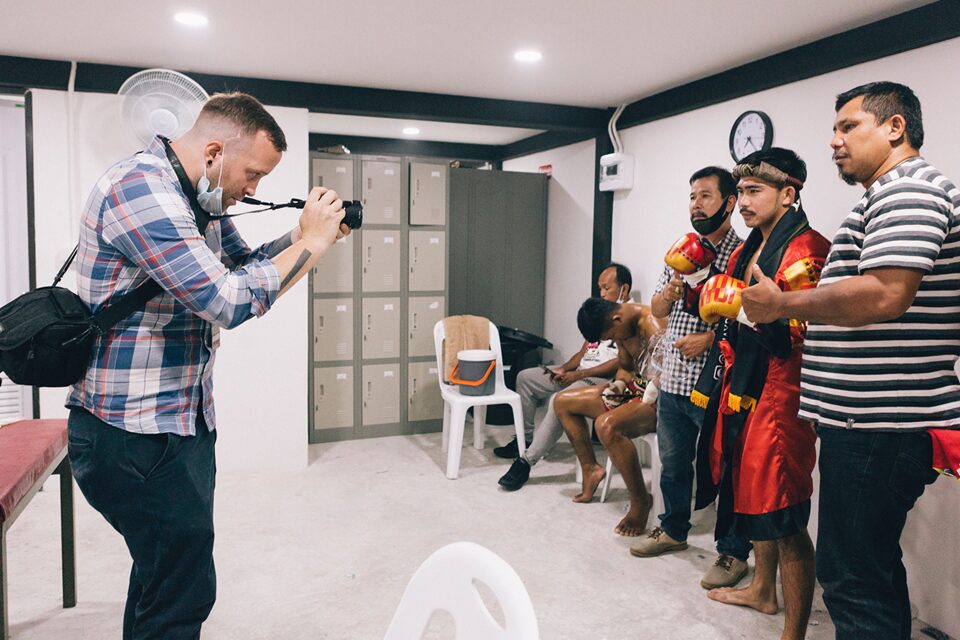
What are your thoughts on the foreign fighters competing in Thailand today compared to those from the 90s or 2000s?
For foreigners there is no better time. The access is much easier. I remember when I first wanted to come to Thailand there were maybe 3 gyms with websites. Now every gym no matter how big or small has one, plus an IG.
Not only that but it’s much easier to get matched up appropriately. Before it was all sink or swim in Thailand. Now there are smaller shows like in Chiang Mai, Hua Hin, and Isaan where fighters can get into the ring for the first time.
Foreigner athletes also can reach the high levels. Look at athletes like Dani Rodriguez, Julio Lobo, Jalill Barnes, Xavier Gonzalez, Shannon Gardiner, Marie Ruumer etc.
Do you think Muay Thai is more globally recognized now than it was 20 years ago?
Muay Thai is much more globally recognized. Social media built the sport tremendously. Now it’s easy to see the progress of fighters and trainers. While the sport is not “mainstream” it is no longer niche
Do you often attend fights at Rajadamnern and Lumpinee stadiums?
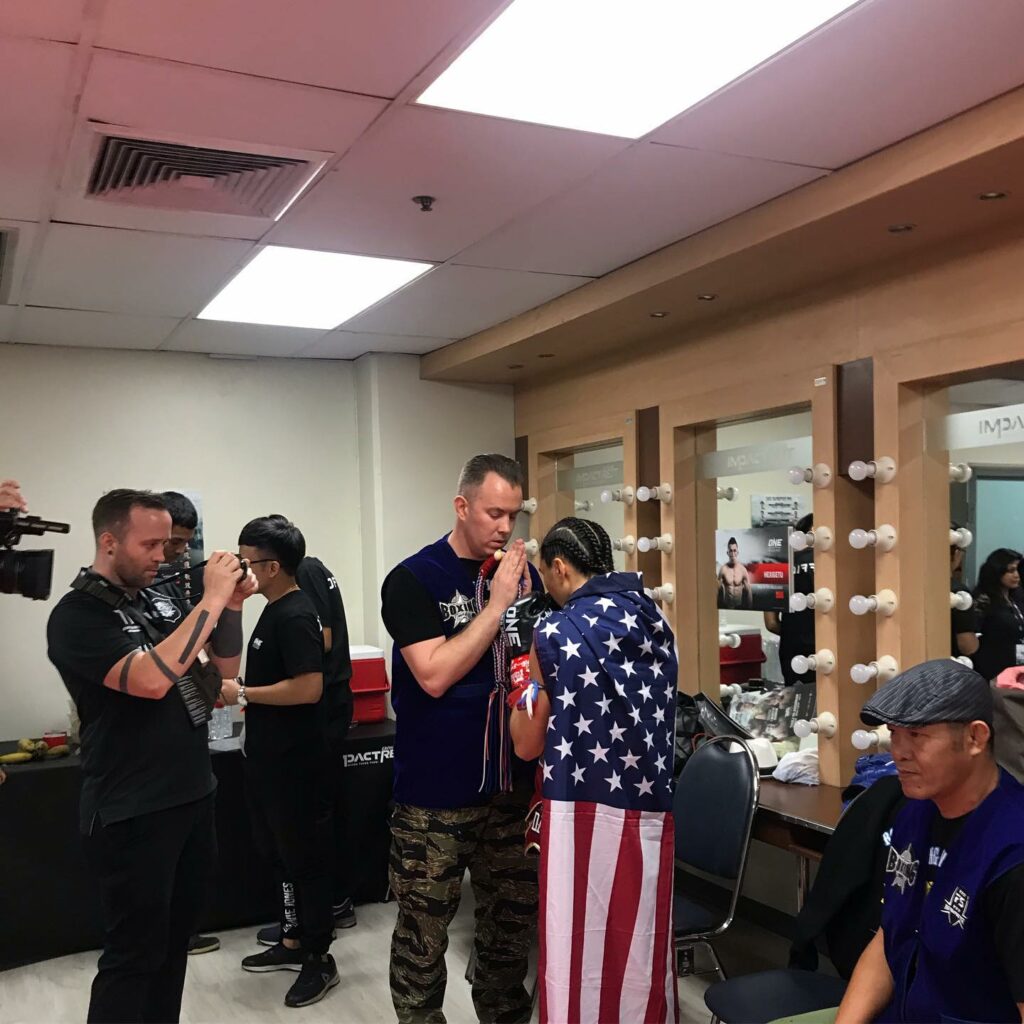
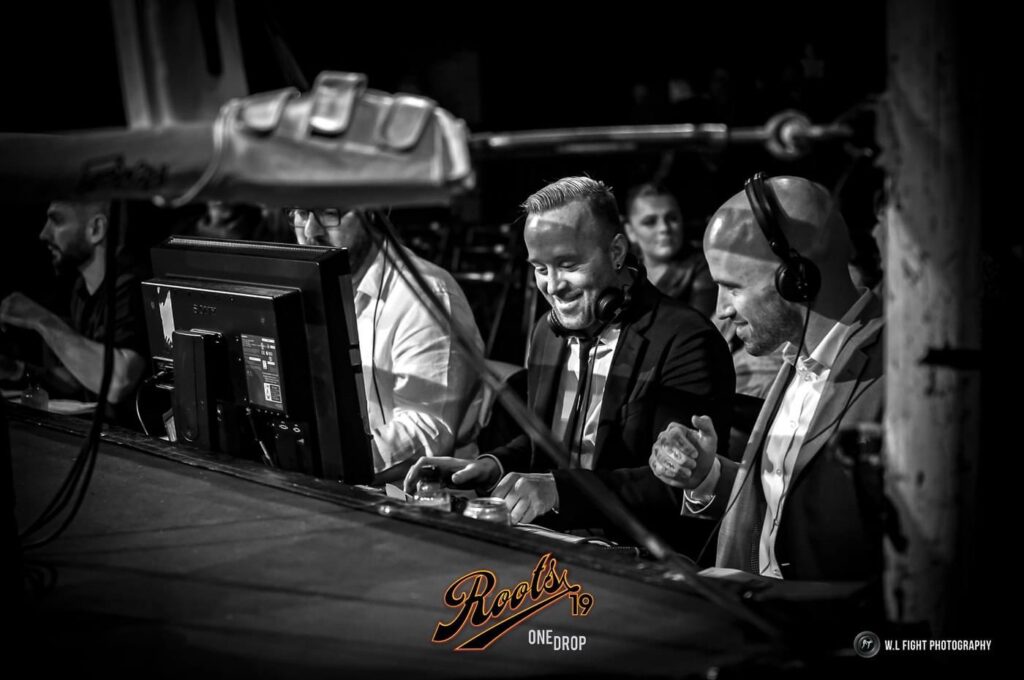
Yes. At the moment I’m spending more time at Rajadamnern. I went to ONE Championship and Lumpinee events very regularly while working with Fairtex. The equipment side sponsors ONE Championship and they led a show, Fairtex Fight at Lumpinee. I worked there as the head english language commentator for 3 years
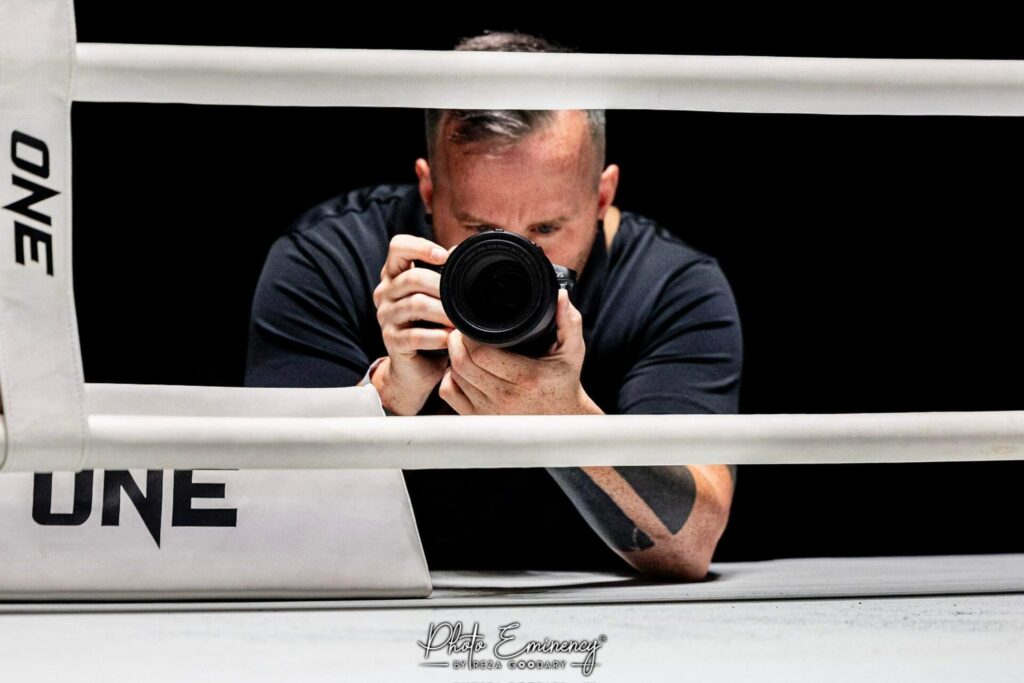
What do you think of the ONE Championship organization? Do you think it has revolutionized Muay Thai in Thailand?
I think everything has two sides. ONE’s contracts are very restrictive. The bouts are high risk and very damaging. It’s a very different sport to stadium Muay Thai and even different from other 3 round promotions.
Most contracted athletes don’t fight that much. The standard contract is 6 fights over 2 years. Many fighters never get that many bouts.
The business structure of the company is questionable. They havent turned a profit yet despite Chatri Sityodtong saying they would year after year. So it’s hard to have faith that they will stick around. It appears they are moving from investor to investor without much staying power.
AND
You can’t deny how much ONE influenced the sport. They amplified stars like Tawanchai, Superbon, Johan Ghazali, Rodtang, Stamp, Smilla. Without ONE would these athletes have a succesful career? Yes. But ONE helped push them higher for sure.
Some of the bonuses and payouts for a select handful of athletes changed their lives. For example fighters like Seksan Or Kwanmuang, Suriyanlek Por Yenying, Rambolek Chor Ajalaboon…
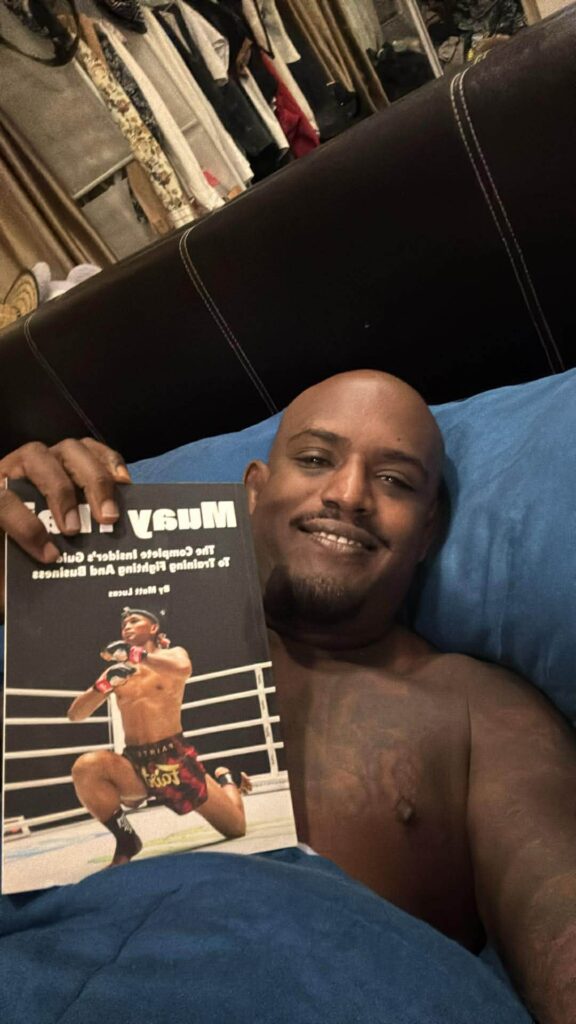
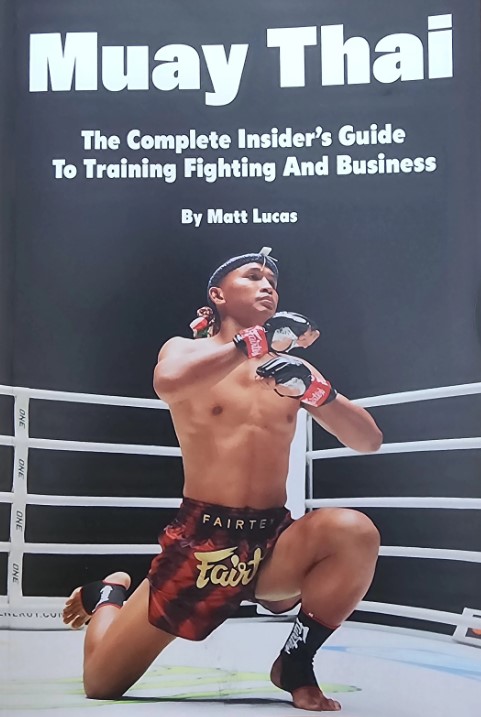
You wrote a very comprehensive book on the inner workings of Muay Thai in Thailand, titled « Muay Thai – The Complete Insider’s Guide to Training Fighting and Business » How did you come up with the idea for this book? Is this book intended only for people who want to fight in Thailand, or is it also for those who simply want to train for fun?
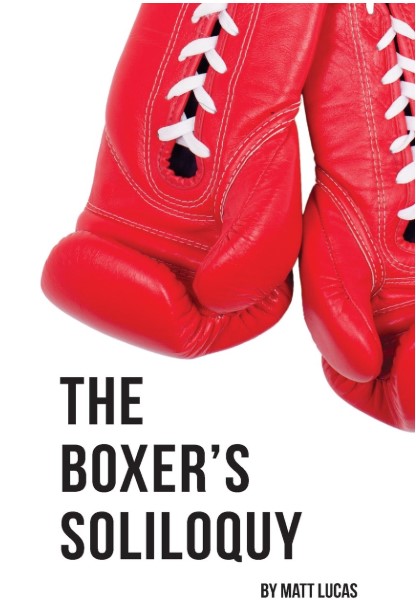
This is my third self published book and my most comprehensive work. I wrote a series of interconnected short stories about Muay Thai “The Boxer’s Soliloquy” first. It was a passion/vanity project. I wanted to see if I could write a book. I did it.
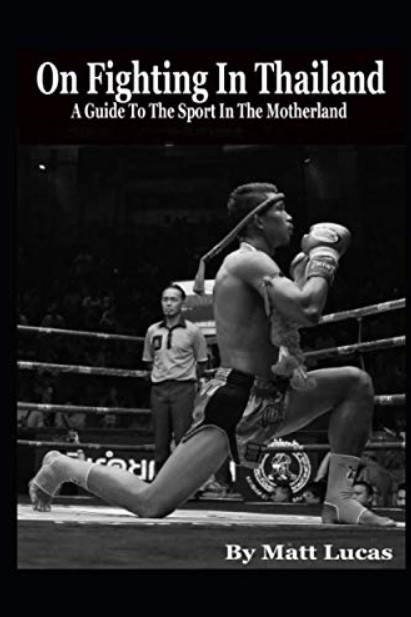
The second book “On Fighting in Thailand,” was a short but easy to read guide to the sport.
The latest is very comprehensive and includes all my experiences in the sport from training, to cutman skills, to management, to taking athletes on tours, to advertising gyms.
I didn’t just want to write another guide. I wanted to document the entire ecosystem of Muay Thai from fighters to promoters to the business behind it. To show the pathways to success. Something I wish existed when I started…
You address topics that are little known to the general public, such as betting, match-fixing, and even the poisoning of boxers. Have you often witnessed this dark side of Muay Thai?
I’ve been in the world of Muay Thai for over 10 years and have seen lots of things, both good and bad. There are things I’ve seen that I won’t put in print.
But for the most part the people in the sport are good. The sport is consistent. The dark side is there but so is the light
You describe very well the difficulties women face in establishing themselves in this very male-dominated world of Muay Thai. What are your thoughts on women’s Muay Thai today compared to that of the 2000s?
Muay Thai for women is better than ever. Anyone that tells you otherwise hasn’t been around that long. Does that mean that females in the sport don’t have a hard time? No. There is still less bouts for women, and there are genuine difficulties that women face that men just don’t.
Women also have tremendous advantages too. Self promotion and marketing for women is much easier. That means more women can get sponsored.
Because there are fewer athletes in the talent pool, it can be easier to stand out and move up the ranks if you’re active and consistent. I would say there are significantly fewer women competing at any given level. That means the pool of males is bigger making it more competitive.
Internationally fitness participation in the sport is growing. In my travels I’ve seen many modern gyms with 40% female students. This really opens the market for female specific brands, equipment, and monetization.
Women like Stamp have capitalized on their gender to push their career and the sport to new heights.
Many promotions and stadiums are including more women into the infrastructure as well. For example Lumpinee uses female referees and corners. Pareploy Saeia and Watcharapon are great role models. Saosing Sor Sopit did a lot for the sport as an athlete and matchmaker as well. I think women like these should be highlighted more often
Part of your book is dedicated to building a professional career. Is it easier these days for a foreigner to have a career recognized for its true worth in Thailand?
With the progression of the sport, it is now easier to have a career in the sport than ever. There are more than a handful of foreign trainers; Leo Elias, Renan Cortez, Oli Jenkins, Christofer Forster etc.
There are also foreign gym owners; France Watthanaya, Paul Banasiak, Tim Fisher, Mehdi Zatout.
Finally there are a host of infrastructural people who work in media or at promotions like Arran Sirisompan, Johnny Betts, Douglas Malagon, Sarah Gohier, John Wolcott, Rob Cox, etc.
When I first came out to Thailand there were only a few foreigners, Rob, Timo Ruge, Kevin Noone, making a living off the sport. In the last years it’s exploded. There are also influencers as well who come and go
Your book is extremely comprehensive, covering a wide range of topics: technique, terminology, transgender fighters, the role of the cutman, the business side of things… How long did it take you to gather all this valuable information?
This book represents 10 years of hard work in the sport. It’s the culmination of all my different projects and experiences in the sport. The writing itself took me 2 years
Where can we buy your book?
The book is available on amazon.com around the world
What advice would you give to a young person who wants to pursue a career in Thailand?
It’s hard. You’ll have to make a lot of tough choices. You’ll get beat up not just physically but emotionally. But if you stick it out and if you’re lucky you can make it happen.
If you want to make it a career you must approach it like you would any other career. That means doing good work consistently for a long time in order to build a reputation. I’d also suggest that athletes start looking into building a personal brand. The easiest way to do so is to publicly document their journey.
Lastly you need to network. It’s a bit of a cliché that your net worth is your network but having a strong network of other athletes, coaches, and promoters that you can talk to can help you avoid problems and aid your career in general
Do you think Muay Thai will one day be as well-known worldwide as Boxing or MMA, and that the purses will become as large?
Maybe not as large but definitely quite good. We’re already seeing some top level fighters make more than reasonable incomes off fight purses. Then the endorsements, sponsorships and other business opportunities make being a full time athlete lucrative
You still live in Thailand today. What is your current job and what are your current activities related to Muay Thai?
I’m currently freelance working in media. I’ve set up a company “Muay Thai Media Inc.” I work with Sitsongpeenong, WBC Muay Thai USA, Ghost, and do projects with WBC Muay Thai international. I’m very blessed to work with all of these great companies and projects. It didn’t come easy. But it’s all been worth it
Do you want to add anything?
There are more opportunities in Muay Thai now than ever but it still rewards the same thing it always has: consistency, relationships, and time in the sport.
Thank you so much for the interview. I appreciate all the work you’ve put into the sport Serge and have used your site as a reference many times
Thank you so much for the interview, and Chookdee for your projects!
Matt Lucas is a multifaceted figure in Muay Thai, a former professional fighter, an iconic commentator for the famous match show at Pattaya’s “Max Muay Thai” stadium, a media relations manager for the prestigious Fairtex training center, and a renowned sports journalist.
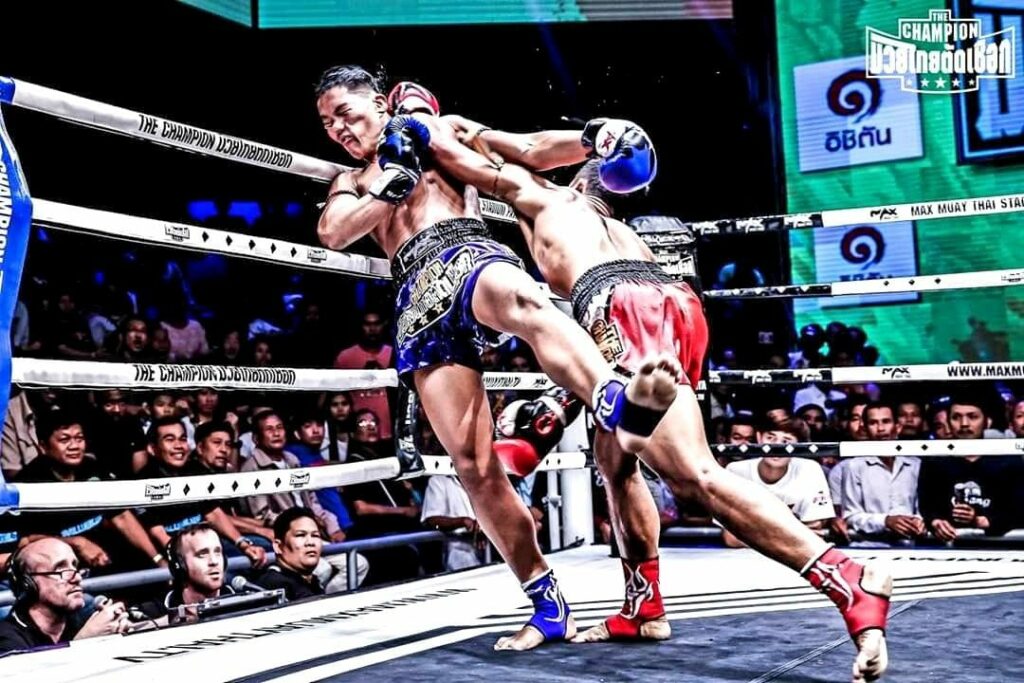
In 2014, he published his first book, “The Boxer’s Soliloquy.” This collection explores the intricacies of Muay Thai, Thailand’s premier martial art, through fifteen stories. Set against the raw backdrop of Bangkok and the humid atmosphere of the training gyms, these stories gradually reveal their true depth, highlighting the reality of the ring, the brutality of the blows, and the unbreakable bonds that unite the fighters.
More recently, a little over five years ago, Matt Lucas published his second book on the discipline: “On Fighting In Thailand”. This reference work precisely deciphers the codes of authentic Muay Thai as it is practiced in its country of origin.
His new book, entitled “Muay Thai – The Complete Insider’s Guide to Training, Fighting and Business”, is establishing itself as the essential bible for anyone wishing to fully immerse themselves in the Thai ecosystem.
Many foreign fighters, coaches, and enthusiasts are unaware of the complex realities of Muay Thai in its country of origin. This comprehensive guide sheds light on essential aspects, the intricacies of the scoring system, the inner workings of fight organization, the criteria for choosing a side, the different boxing styles, as well as the world of betting and the cultural codes of the discipline.
Designed to answer all the questions of practitioners, this book is the result of ten years of total immersion. Matt Lucas draws on a decade of experience in Thailand, enriched by numerous interviews with renowned boxers and detailed case studies.