
WEERASAKRECK GYM AND THE MUAY THAI EMPIRE IN THE LAND OF THE RISING SUN!

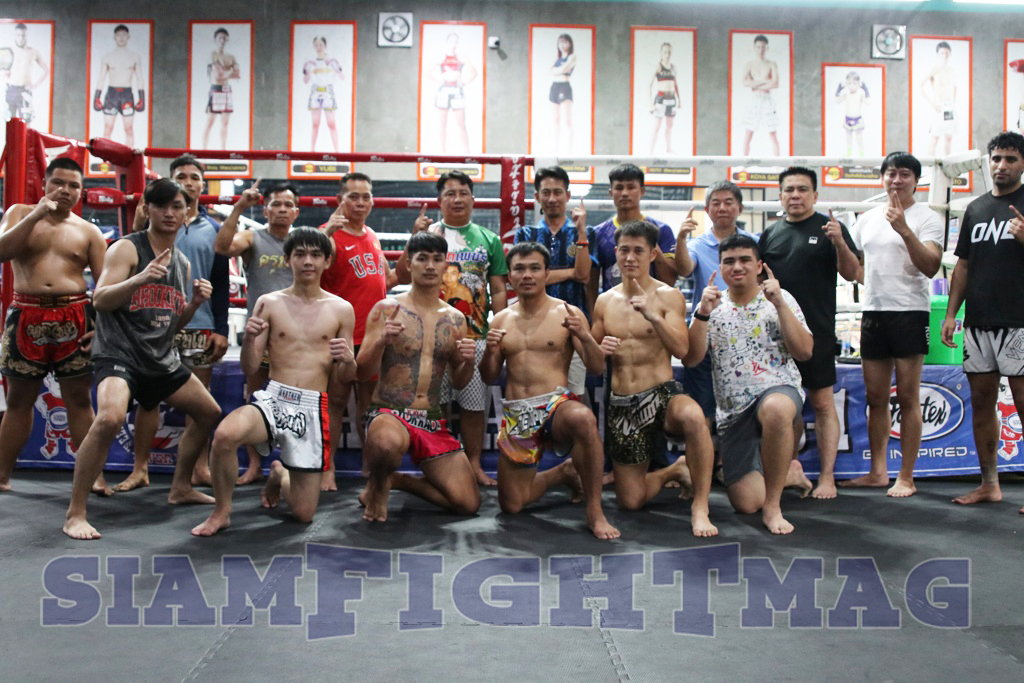
WEERASAKRECK GYM AND THE MUAY THAI EMPIRE IN THE LAND OF THE RISING SUN!
Special report
by Serge TRÉFEU (2026)
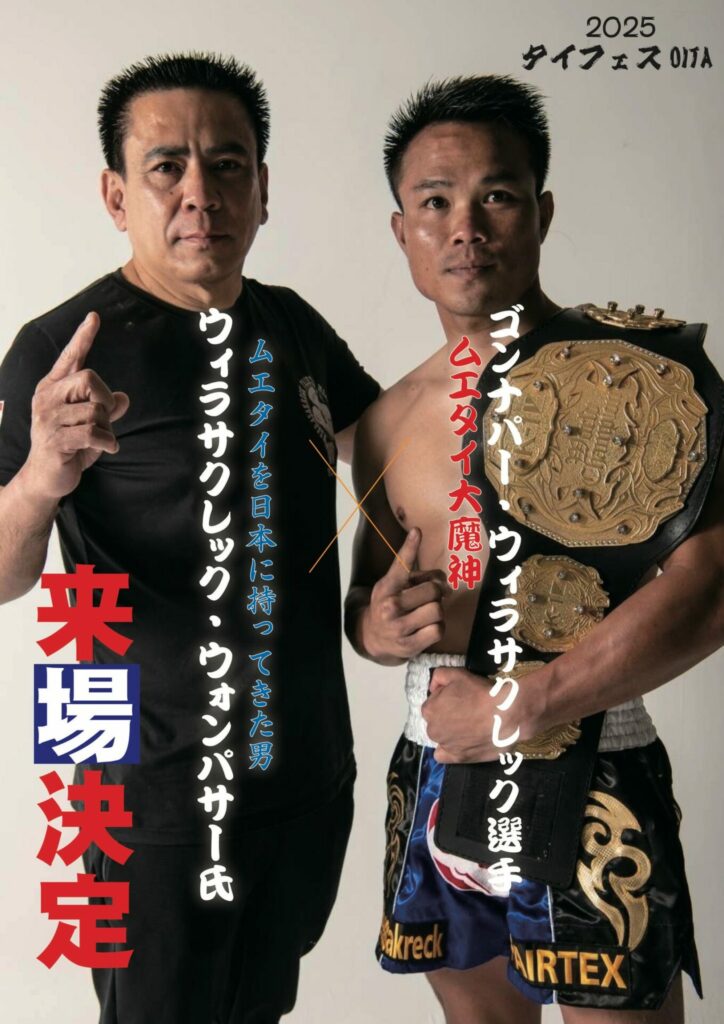
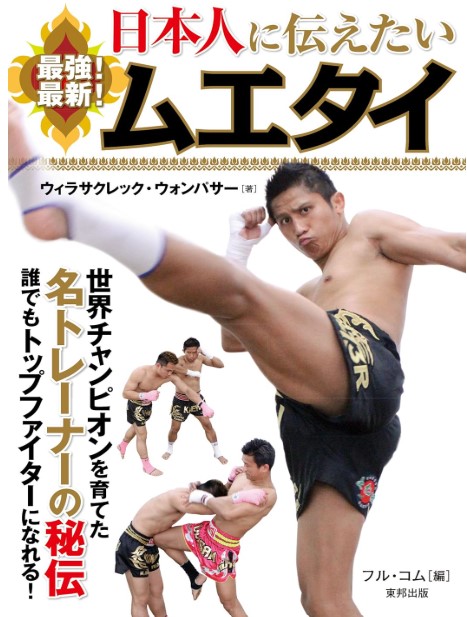
The remarkable story of Mr. Weerasakreck Wongprasert undoubtedly deserves to be the subject of an autobiography. Starting from nothing, he built a veritable Muay Thai empire in the Land of the Rising Sun. Like his friend and partner, the renowned Mr. Philippe Wong, who founded a Muay Thai empire in the United States with his Fairtex brand, achieving the “American dream,” Mr. Weerasakreck Wongprasert has, for his part, fulfilled his own “Japanese dream.”
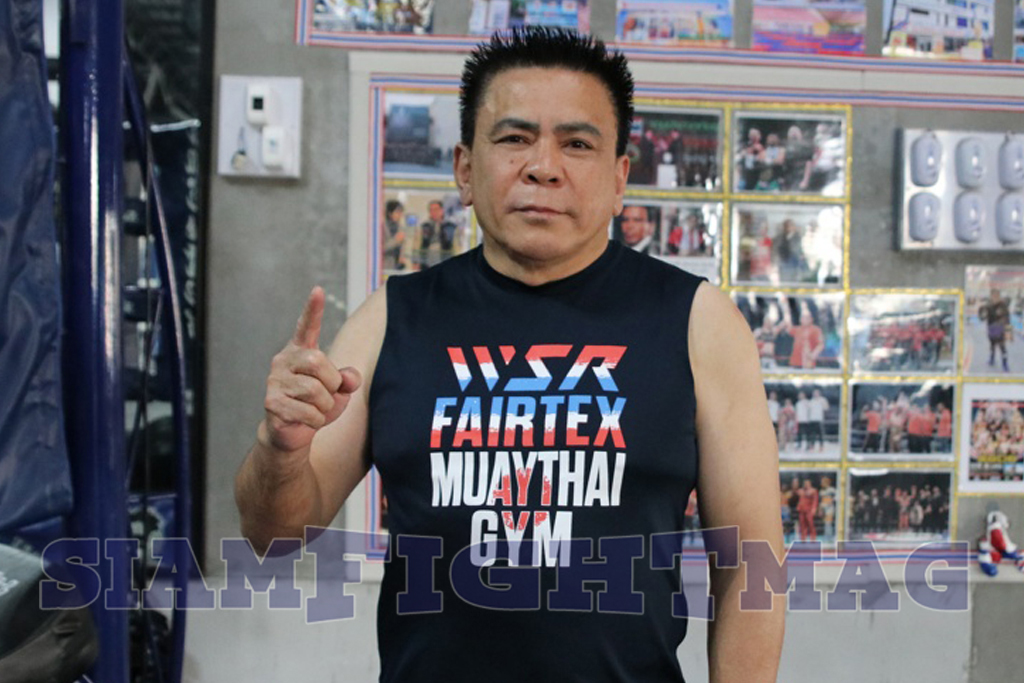
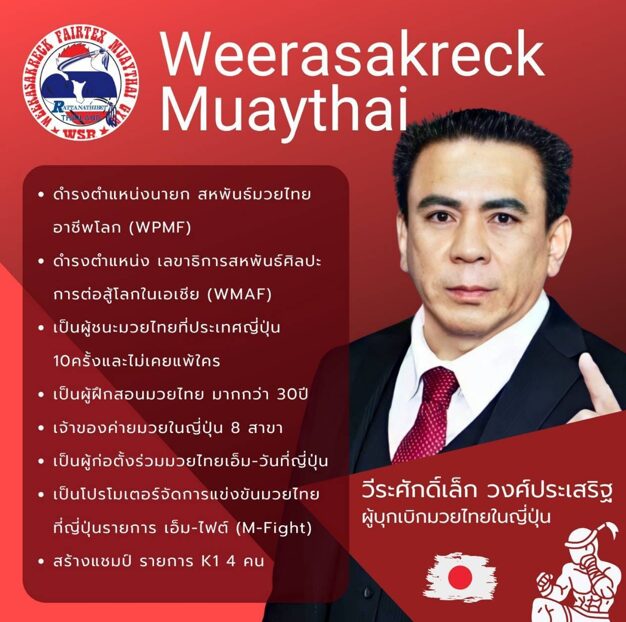
Born on June 9, 1967, in Yasothon, Thailand, Weerasakreck Wongprasert distinguished himself during his high school years by winning a boxing championship, which made him a promising Olympic prospect.
He then turned to Muay Thai, a discipline in which he quickly established himself as one of the best fighters in Bangkok’s two most prestigious stadiums, Lumpinee and Ratchadamnoen.
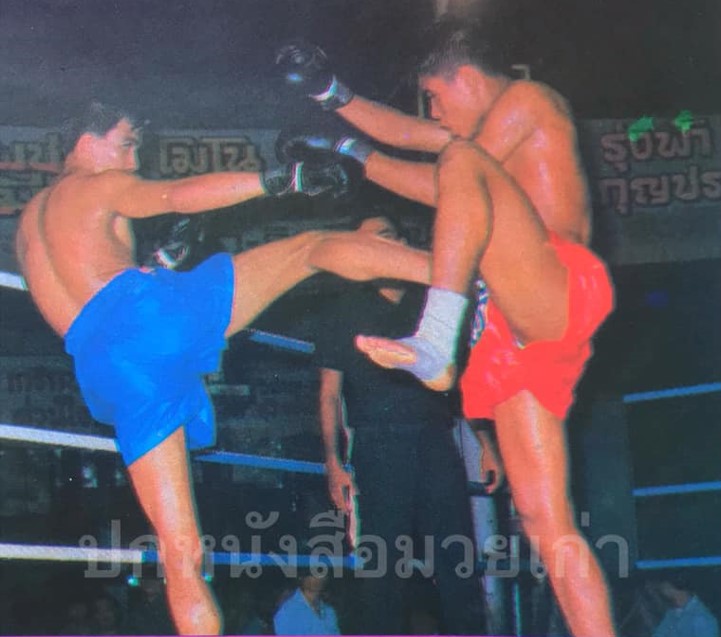
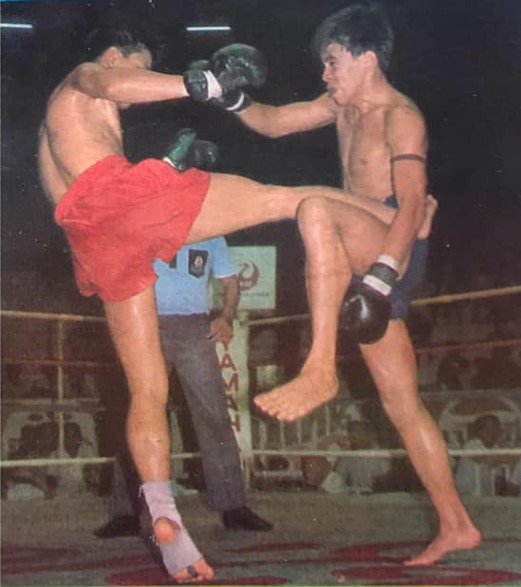
in 1986 at the TV7 stadium
Weerasakreck Wongprasert’s Muay Thai record stands at 72 fights, with 57 wins and 15 losses. In Japan, he remains undefeated in 11 fights.
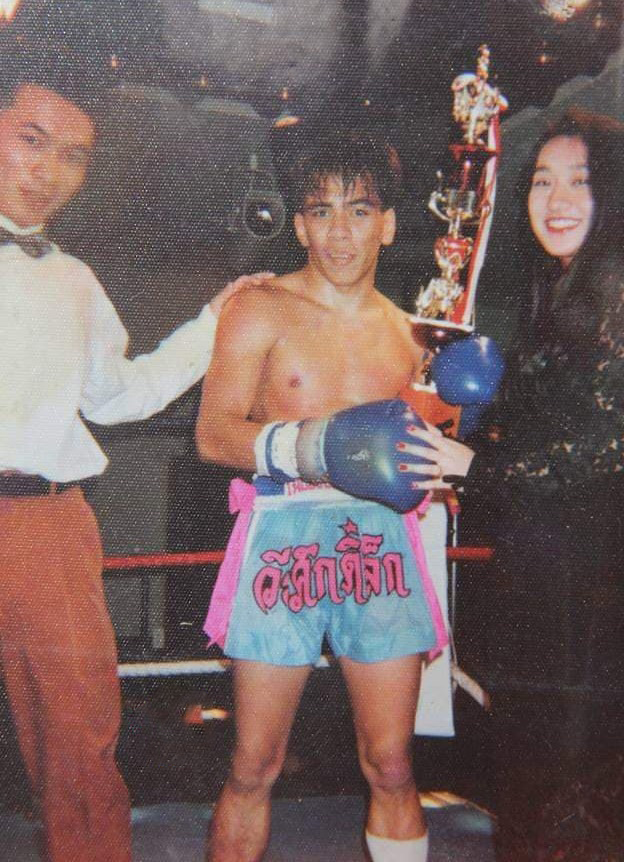
When he left Thailand, Weerasakreck took only a bag and a small amount of money with him.
Upon arriving in the land of the samurai in 1993, he owned only two pairs of Levi’s jeans, a pair of Muay Thai shorts, and three t-shirts. That was all he had in his pockets when he first set foot on Japanese soil.
After retiring from sports at just 20 years old, he began a new life as a coach in Japan. His beginnings were particularly difficult; he earned only 6,000 yen a month (about $60), a paltry income even by Thai standards.
To survive, he was forced to work two jobs. He worked on construction sites from 8 a.m. to 6 p.m., then switched to coaching at a gym from 6 p.m. to 10 p.m. His daily routine was grueling: he got up at 6 a.m. every morning, came home briefly for dinner, and then went back to training. This intense schedule left him no days off.
Despite these efforts, his monthly income barely reached 60,000 yen (about $600), sometimes a little more, but never exceeding 80,000 yen. Having arrived in Japan with five other Thais, he gradually watched his companions give up and return home, discouraged by the harsh living conditions. He, however, chose to stay.
Weerasakreck Wongprasert never gave up. He persevered with unwavering determination. Living in a gym, he had neither rent nor food expenses to cover. Of the 60,000 yen he earned each month, he sent 50,000 to his parents.
Driven by a deep desire to improve their lives, he persevered despite the numerous difficulties he encountered in Japan. His sacrifices paid off; today, his parents own three houses in Thailand.
To supplement his income, he decided to return to the ring to earn bonuses in addition to his coaching salary. He fought 11 bouts… and remained undefeated.
Gradually, word spread. He obtained the opportunity to teach Muay Thai at a renowned sports center in Tokyo, where about ten people enrolled. Thus, his first school was born, modestly. He was only in his second year in Japan.
His affordable rates are gradually attracting more and more students. Some even want to train daily. However, the conditions remain rudimentary; he has neither a ring nor punching bags. Training is done solely with punching gloves.
Faced with this enthusiasm, one thing is clear to him: he now needs to teach in a properly equipped gym to meet his students’ expectations and grow his business.
One day, while walking aimlessly, Weerasakreck Wongprasert passed by a boxing gym. By chance, he learned that it closed in the evening. Seizing this opportunity, he offered to rent it to the owner between 5 p.m. and 10 p.m. Moved by his story and having experienced hardship himself, the owner agreed to lend him the gym for 100,000 yen (approximately $1,000). For the first time, Weerasakreck had a boxing ring and a punching bag.
From then on, his daily life became even more intense. He worked installing elevators from 7:30 a.m. to 4:30 p.m., then went straight to his Muay Thai classes from 5:00 p.m. to 10:00 p.m.
But his days didn’t end there. After his training sessions, he went directly to a steakhouse where he worked until 3:00 a.m. Between the rent, the cost of using the facility, and his other expenses, he had no choice but to work tirelessly.
Gradually, the number of his students increased considerably. His growing success eventually made this lifestyle unsustainable. He then made a difficult decision: to leave his night job to dedicate himself more fully to his coaching.
Despite this, he continued to work during the day. For two years, he juggled his job as an elevator technician with his role as a Muay Thai coach. Thanks to this discipline and his sacrifices, he finally managed to save nearly 2 million yen (approximately $20,000).
With his two million yen in savings, Weerasakreck Wongprasert decided to invest everything in the gym where he taught. He removed the old sign and installed a new one, proudly bearing his name: “Weerasakreck Muay Thai Gym.” This marked the opening of his very first gym in Japan.
But this bold move came at a price: he poured all his savings into the business and found himself without any financial reserves. Although he now owned his gym, he continued to work as an elevator technician during the day. Due to a lack of time, he could only open his gym in the evenings.
Despite these challenges, success was achieved. The number of students continued to grow. Faced with this increasing demand, he brought in experienced coaches from Thailand to assist him. He quickly assembled a real team. These coaches even lived in the gym, fully dedicated to their practice and teaching.
At that time, Weerasakreck was one of the few in Japan to own a Muay Thai gym. Enthusiasts came from far and wide to train under his guidance, and his reputation grew rapidly.
His rise eventually caught the attention of the renowned Fairtex brand, a leading name in Thai boxing in Thailand during the 1990s. By becoming his sponsor, Fairtex provided invaluable support. Thanks to this strong partnership, Weerasakreck reached a new level and continued to develop his business.
Weerasakreck Wongprasert continued his expansion by gradually building several boxing gyms in the suburbs of Tokyo. Ambitious and visionary, he bought buildings which he transformed into veritable centers dedicated to Muay Thai, opening his gyms one after another.
For its fourth gym, located in Makuhari on the outskirts of Tokyo, it took another step forward by acquiring the entire building. This modern complex includes a large training hall, as well as accommodations for athletes and coaches. In addition, a Thai massage service and a Thai restaurant, opened in February 2010, creating a space entirely dedicated to Thai culture and lifestyle.
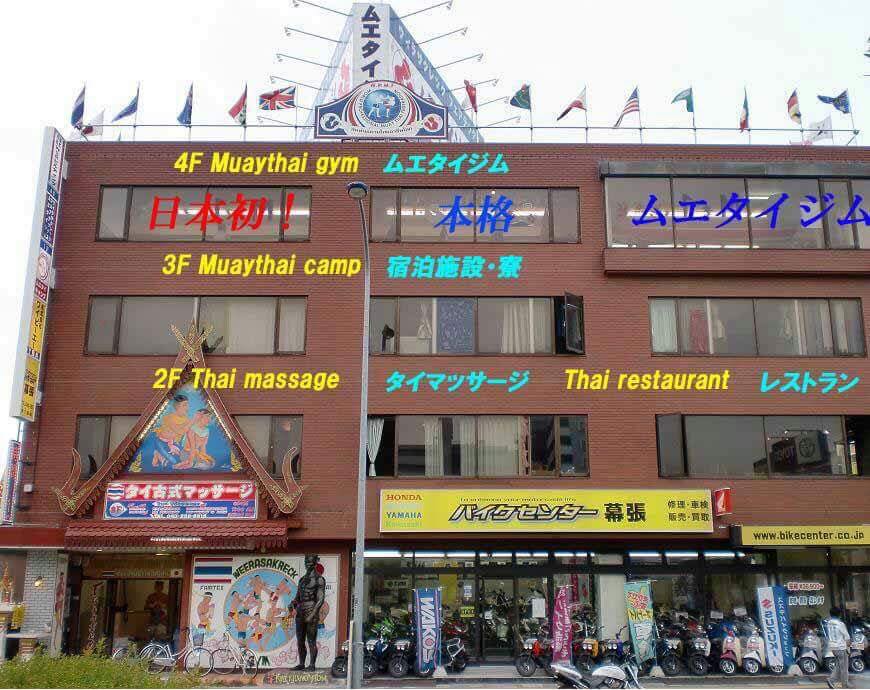
Today, Weerasakreck heads a veritable network, owning nine Muay Thai gyms in the Greater Tokyo area and southern Japan. In 2024, he fulfilled another dream by opening his tenth gym in Thailand, in the city of Nonthaburi, near Bangkok.
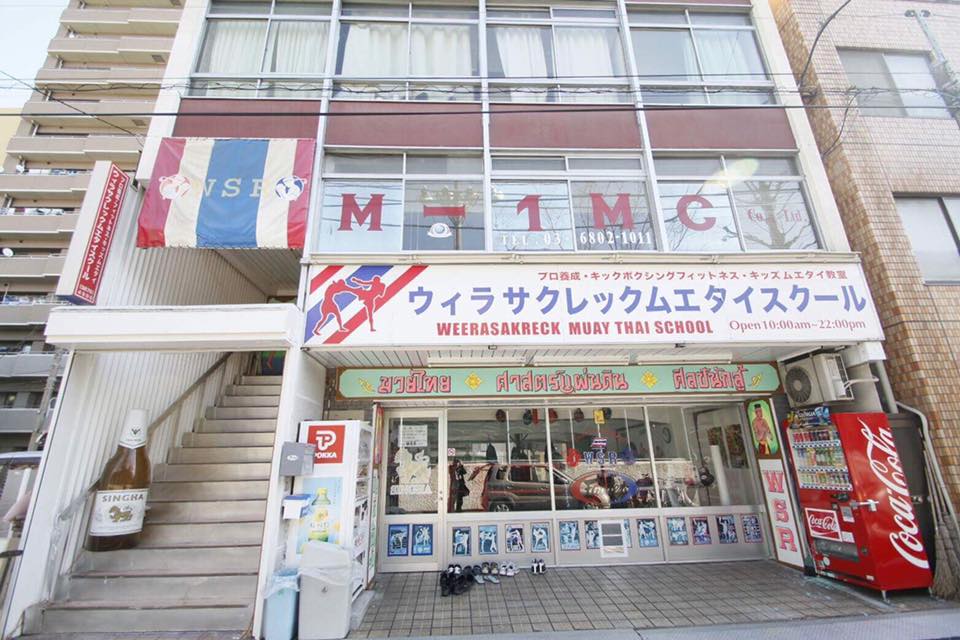
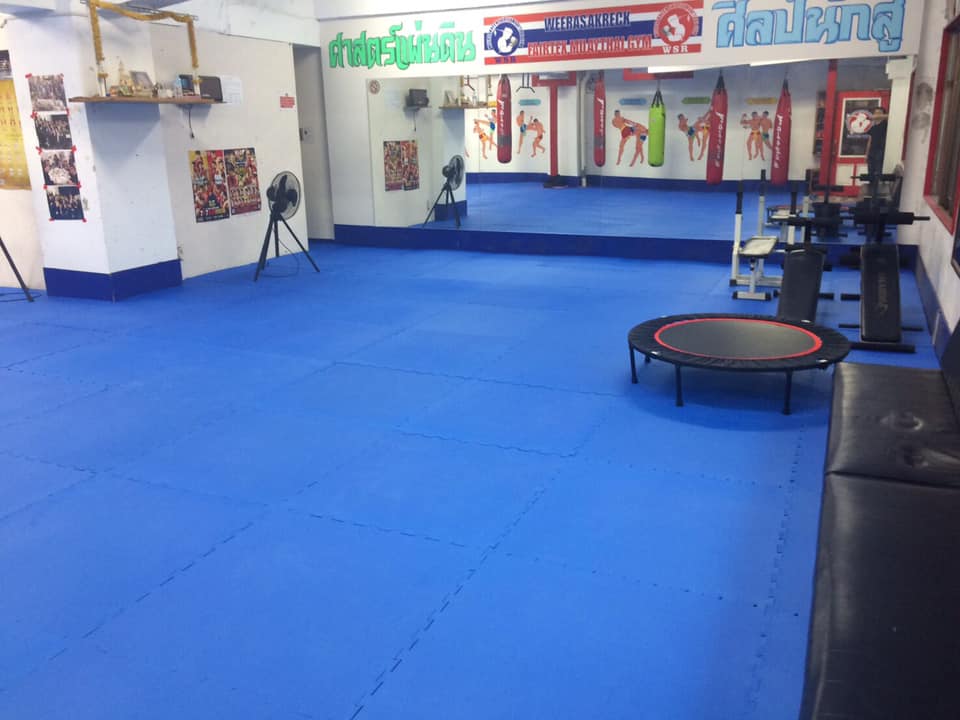
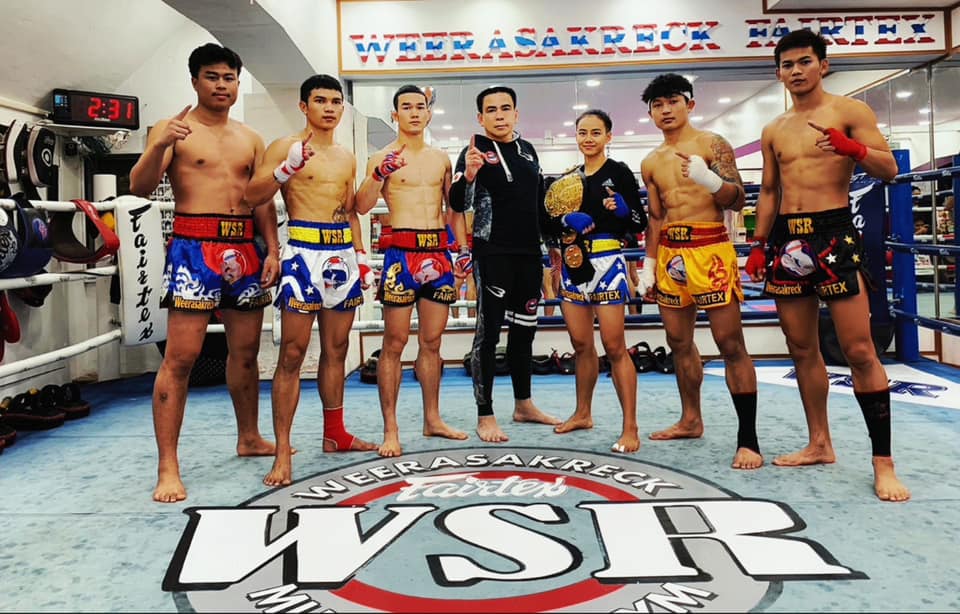
Over the years, Mr. Weerasakreck Wongprasert has become a key figure in Muay Thai in Japan. After a brilliant coaching career, he also established himself as a promoter. He notably created the famous “M-1” tournament, further popularizing the sport, and collaborated with major Japanese promoters within the prestigious K-1 Japan organization.

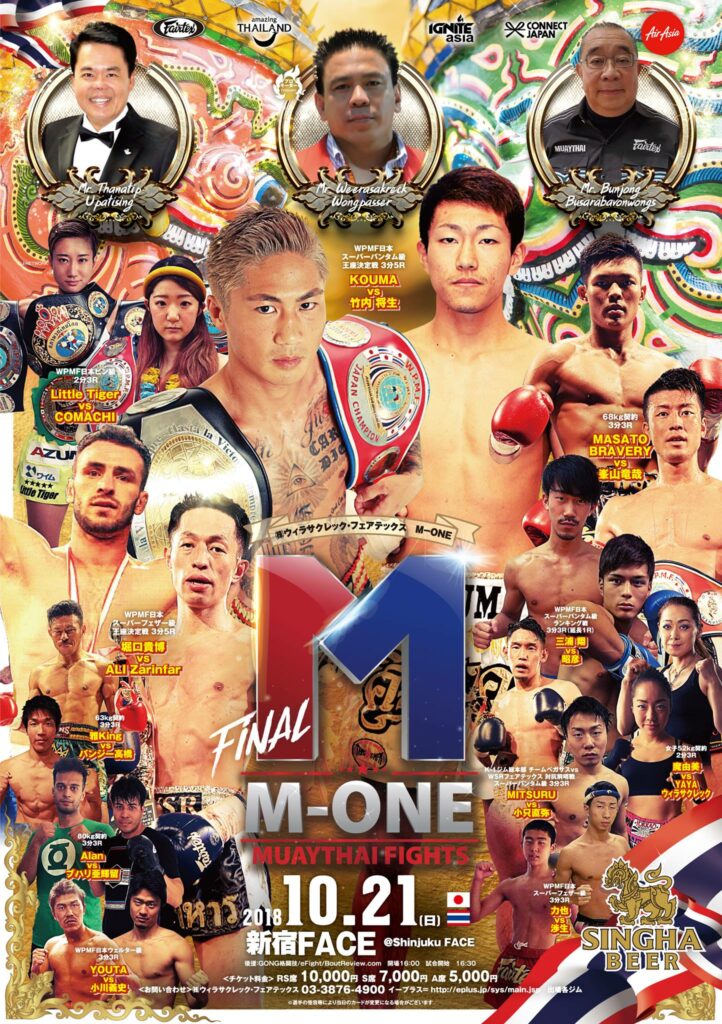
Mr. Weerasakreck Wongprasert has also become a committed businessman, using part of his success to support humanitarian and cultural projects in Thailand. He is involved in distributing second-hand clothing to underprivileged children, building schools, and renovating ancient temples, thus contributing to the development of his home region.
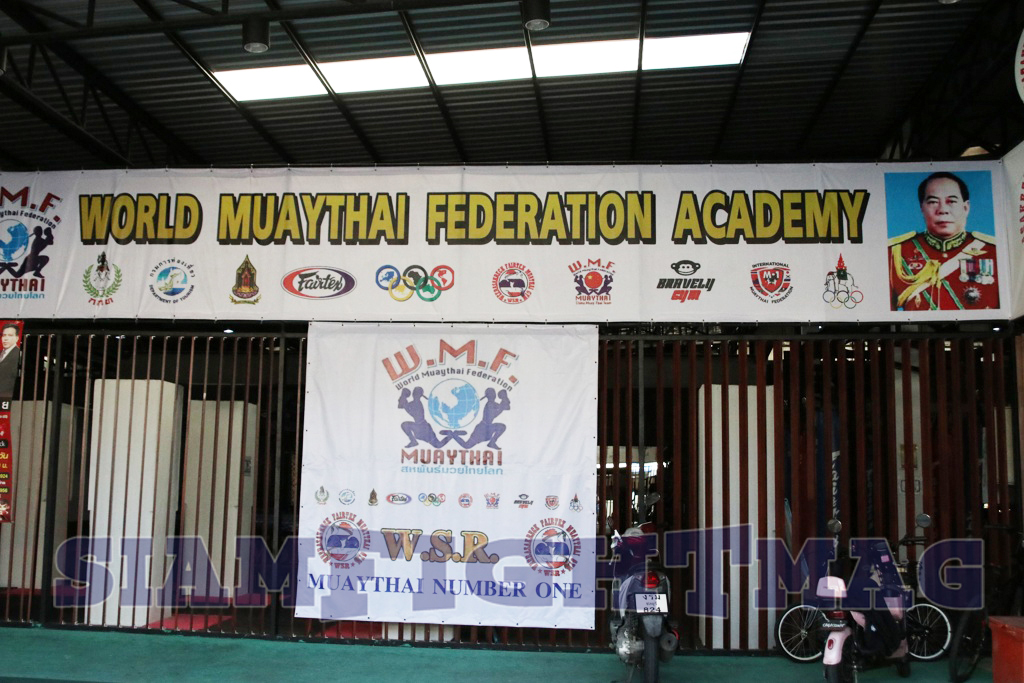
His growing influence in the world of martial arts led him to hold important positions. He was appointed president of the Japanese branch of the World Professional Muay Thai Federation (WPMF), as well as secretary general of the World Martial Arts Federation in Asia (WMAF).
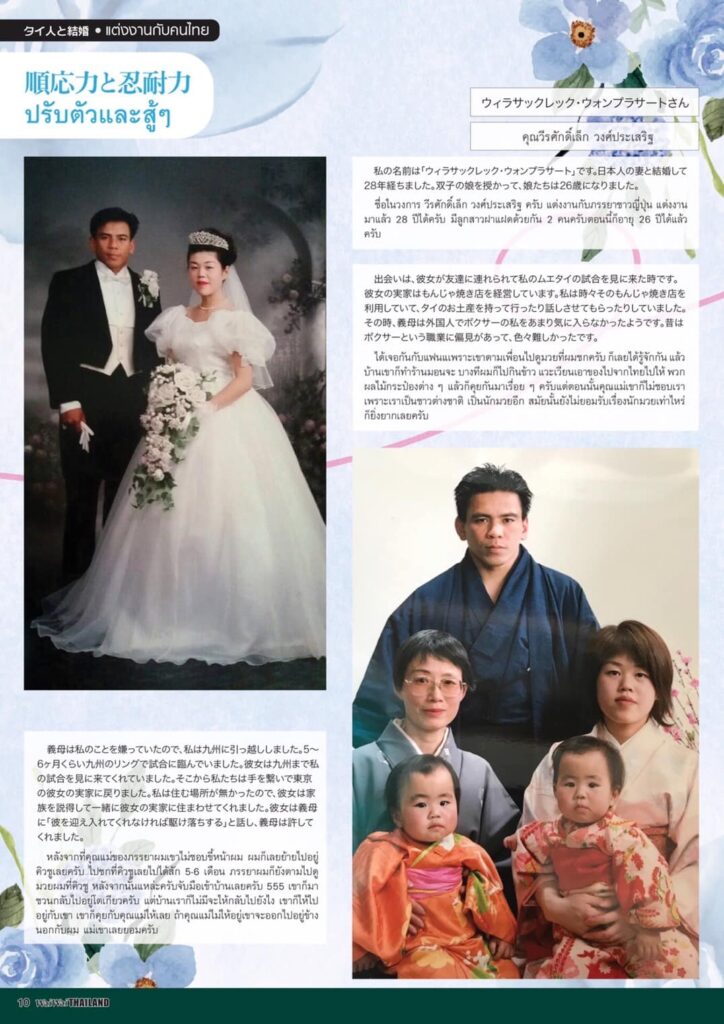
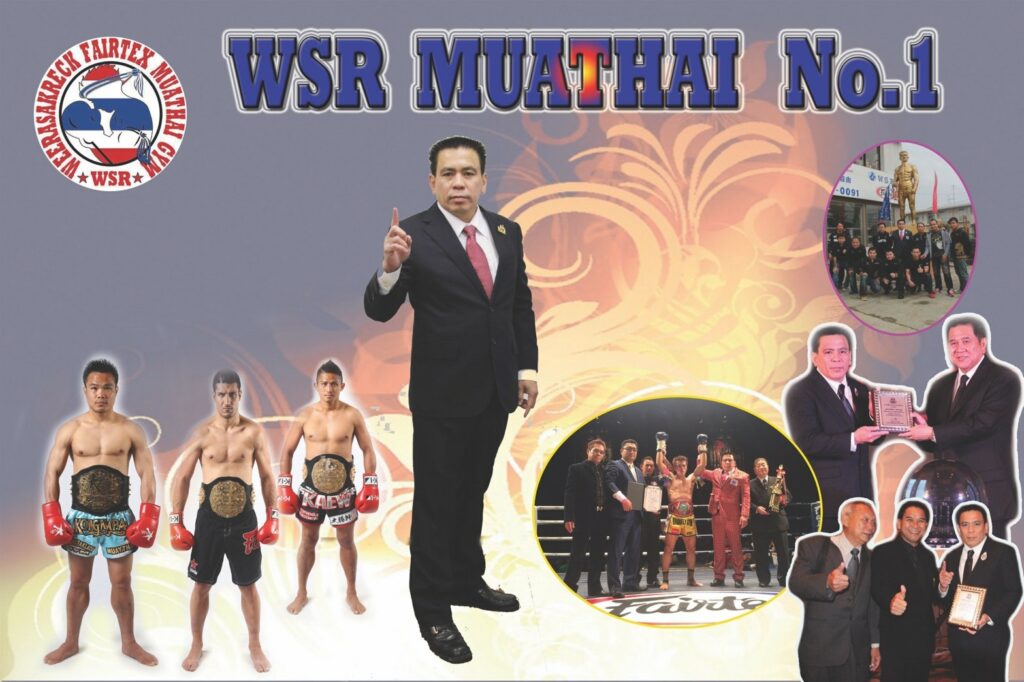
In 2015, at the Sports Awards ceremony in Bangkok, Mr. Weerasakreck Wongprasert received the Distinguished Service Award, a prestigious recognition honoring his commitment to the development of Muay Thai in Japan. He thus became the first Thai to receive this distinction for his work in promoting the sport internationally!
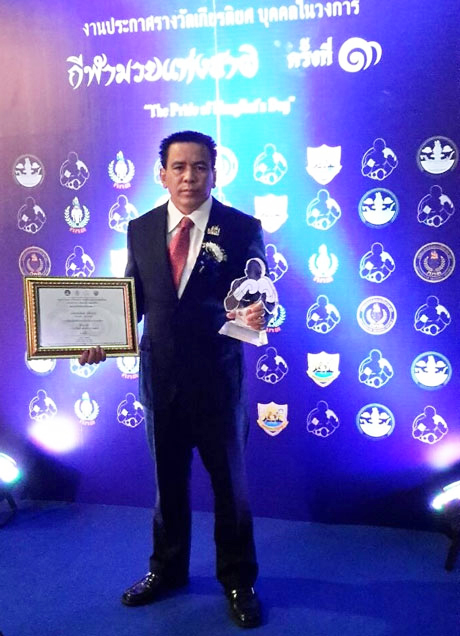
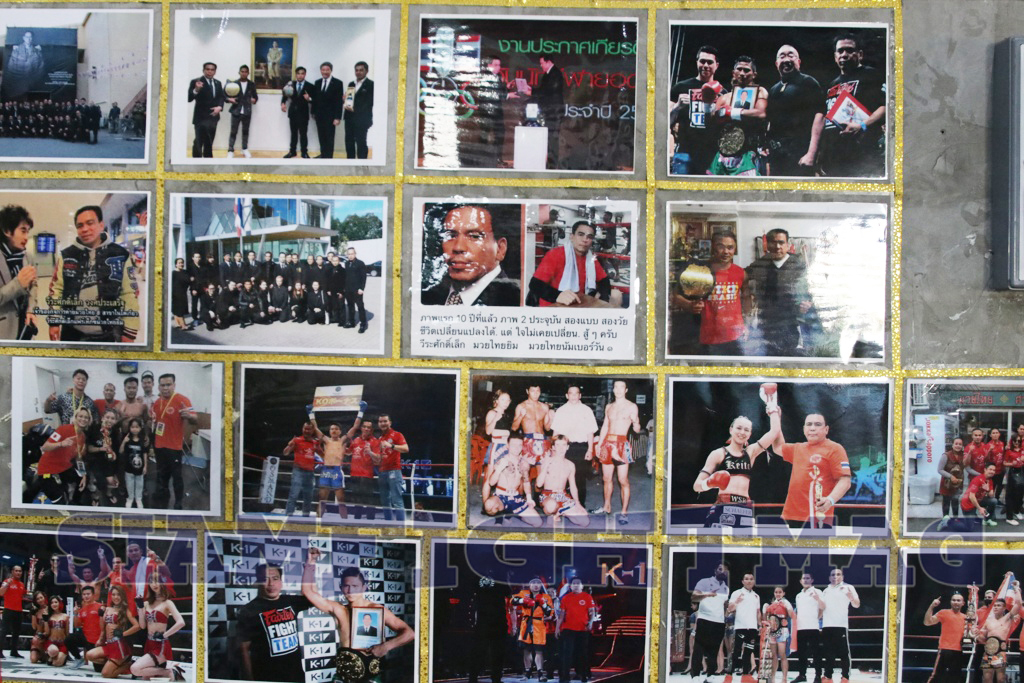
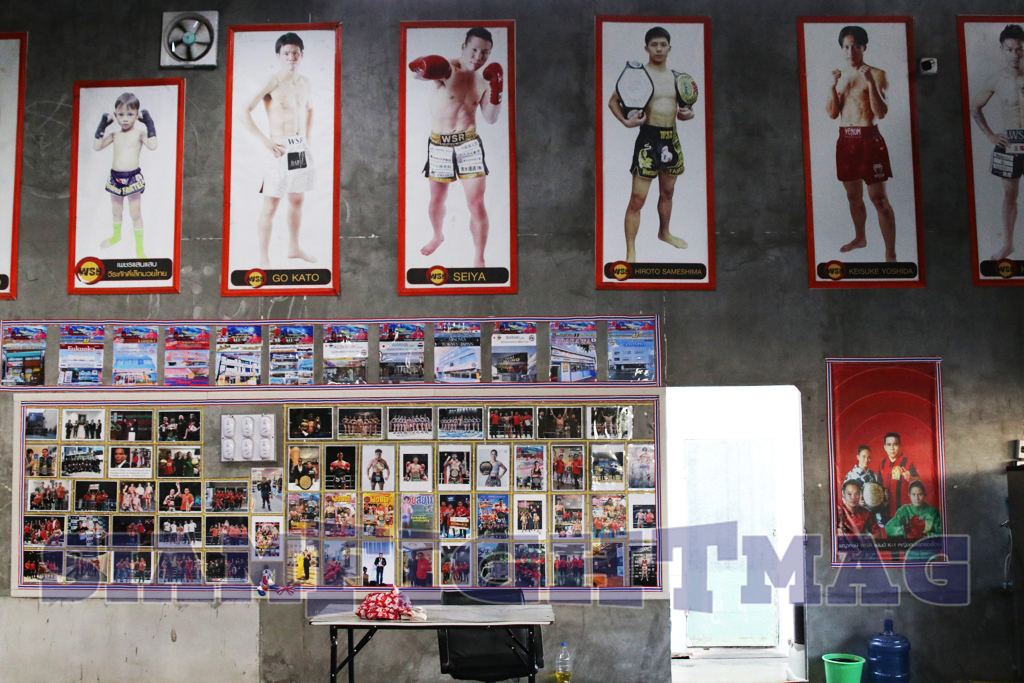
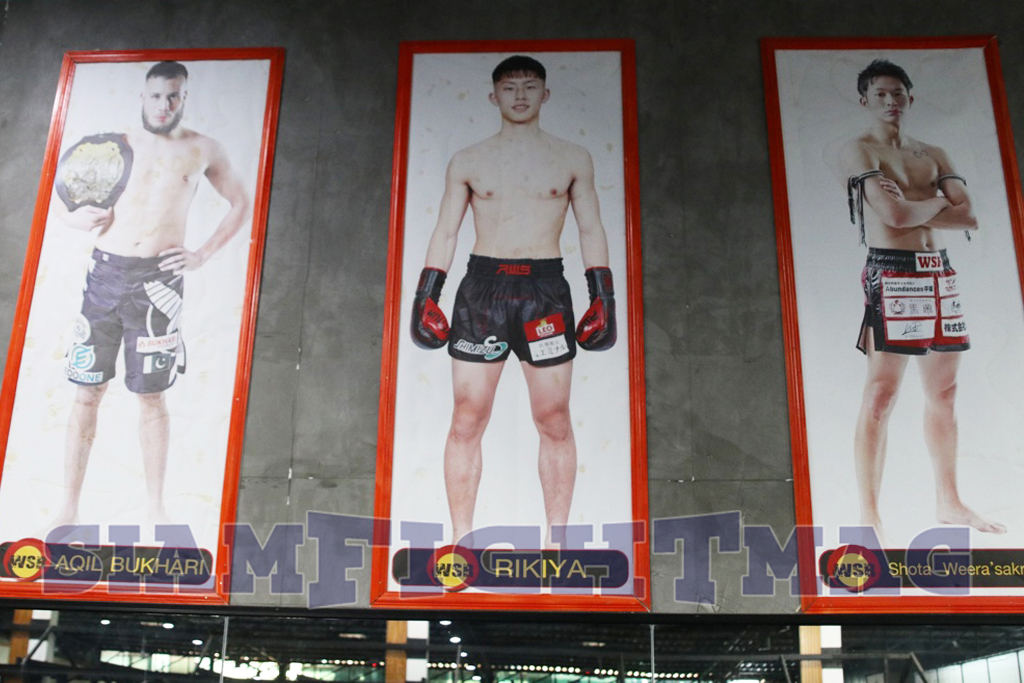
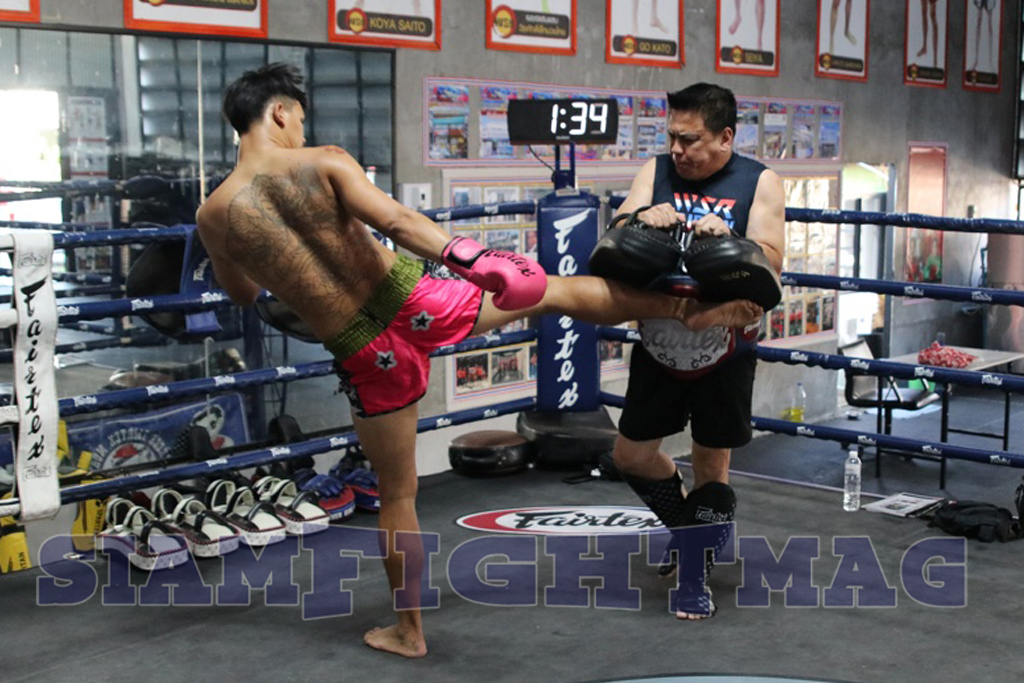
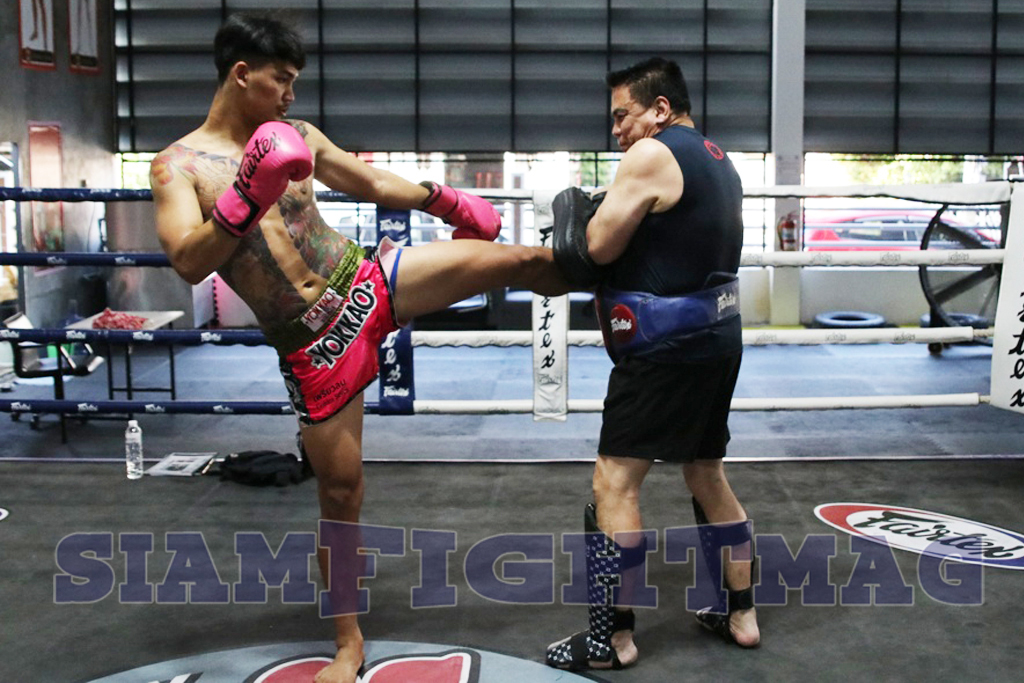
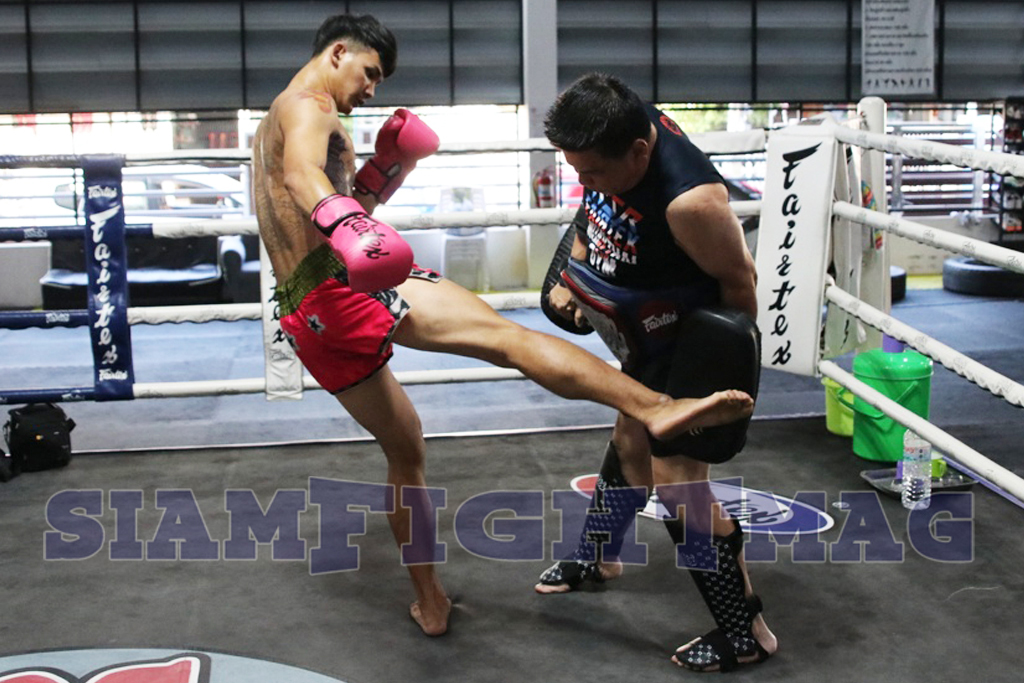
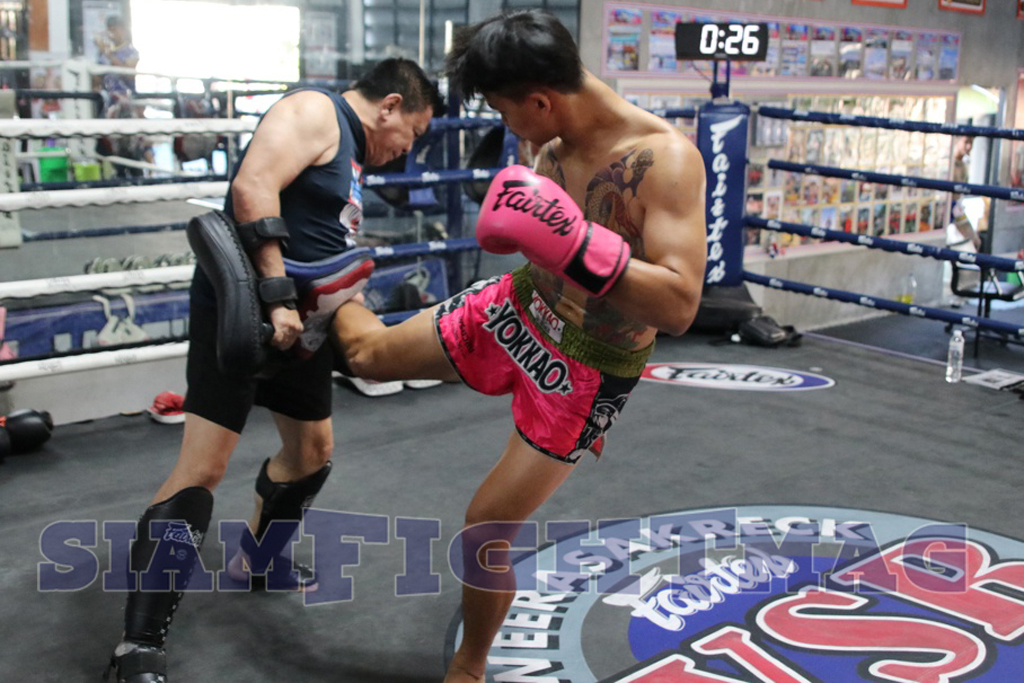
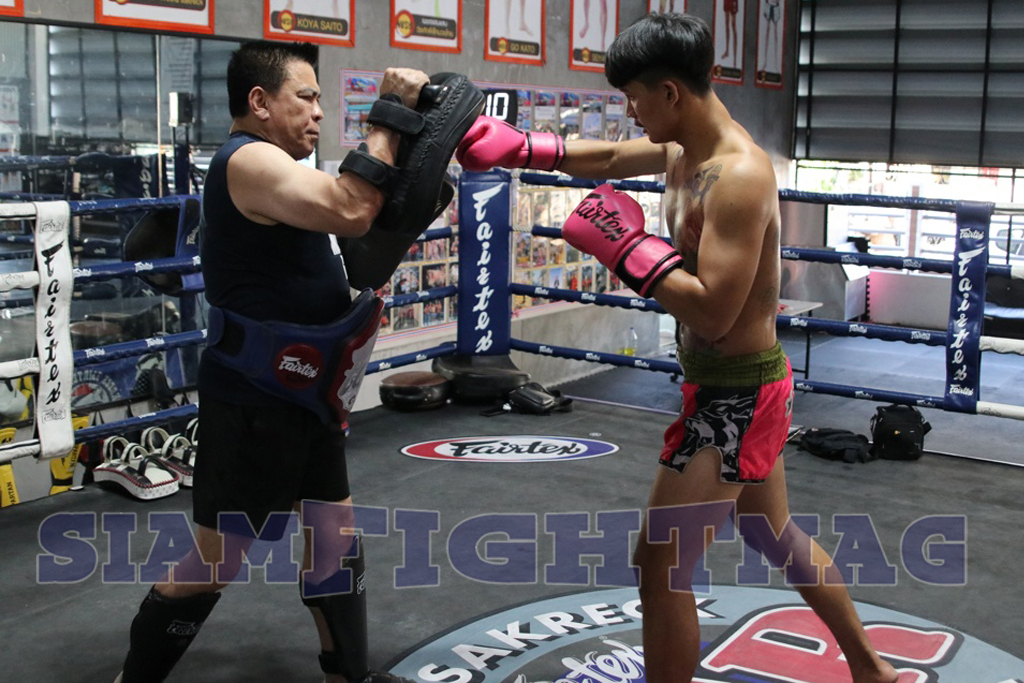
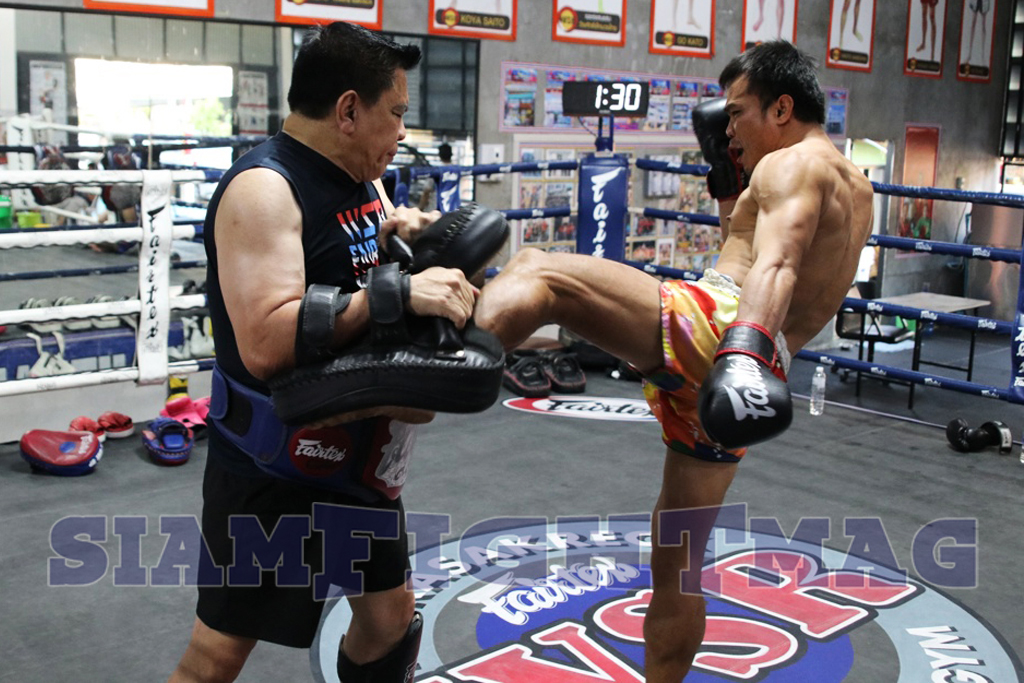
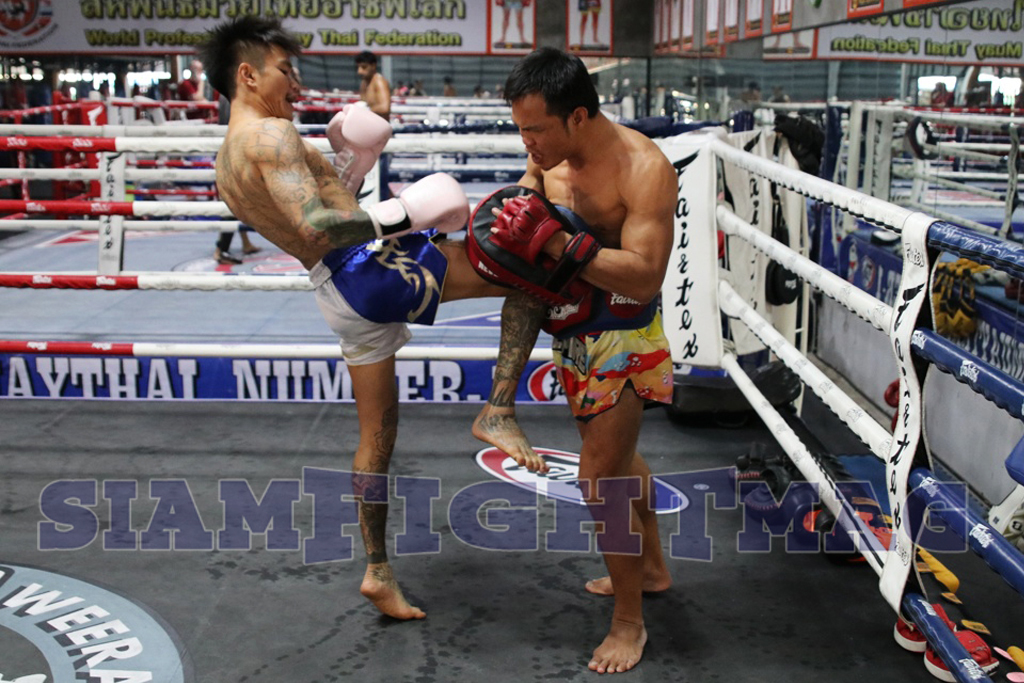
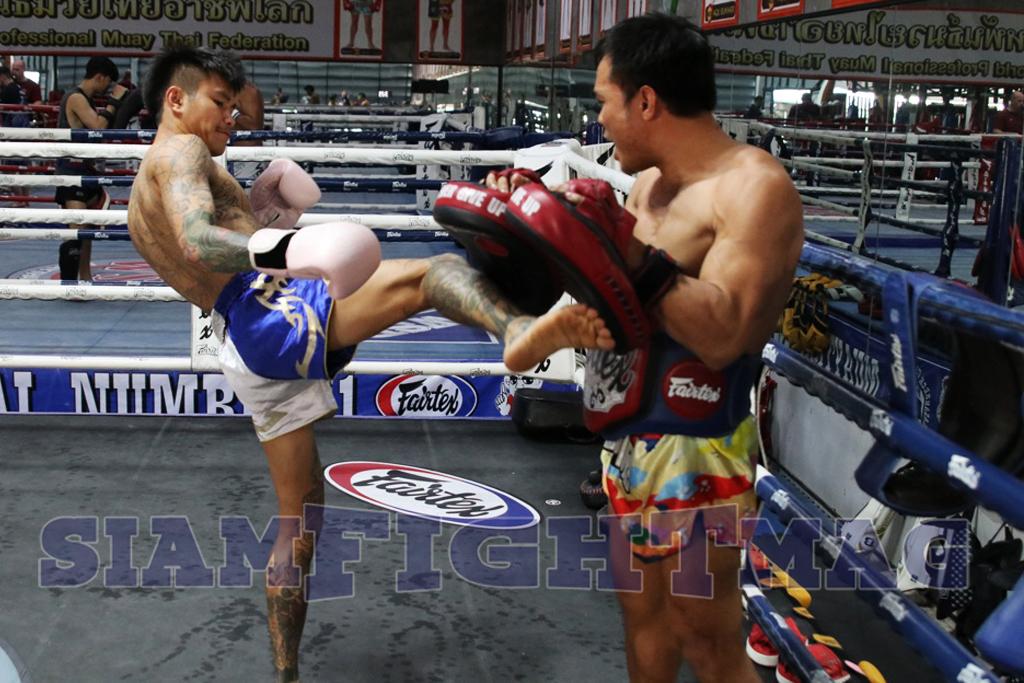
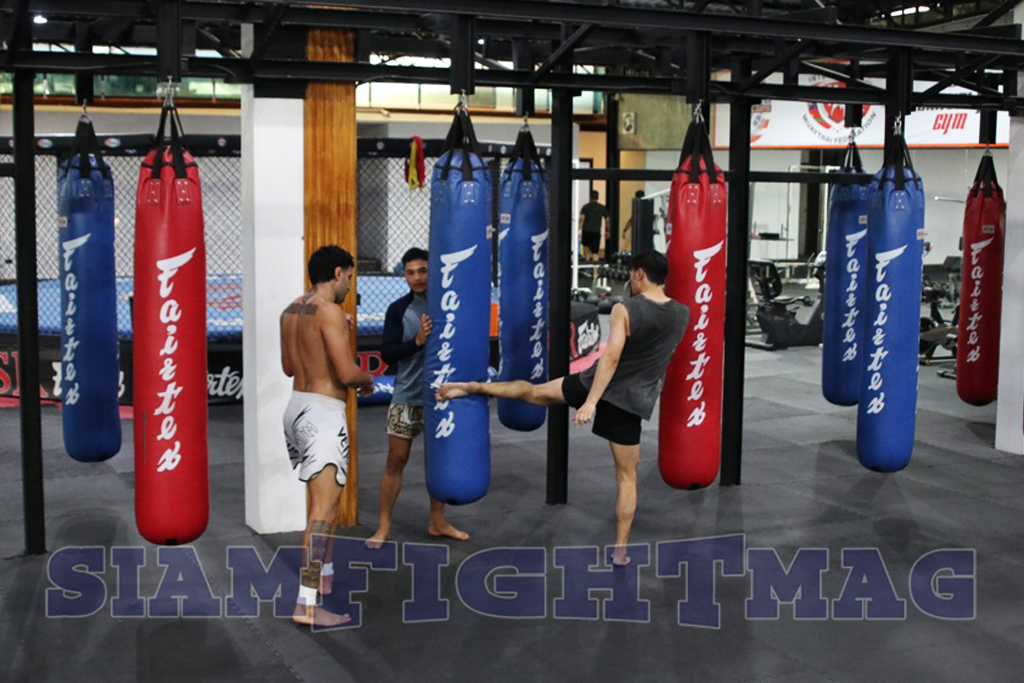
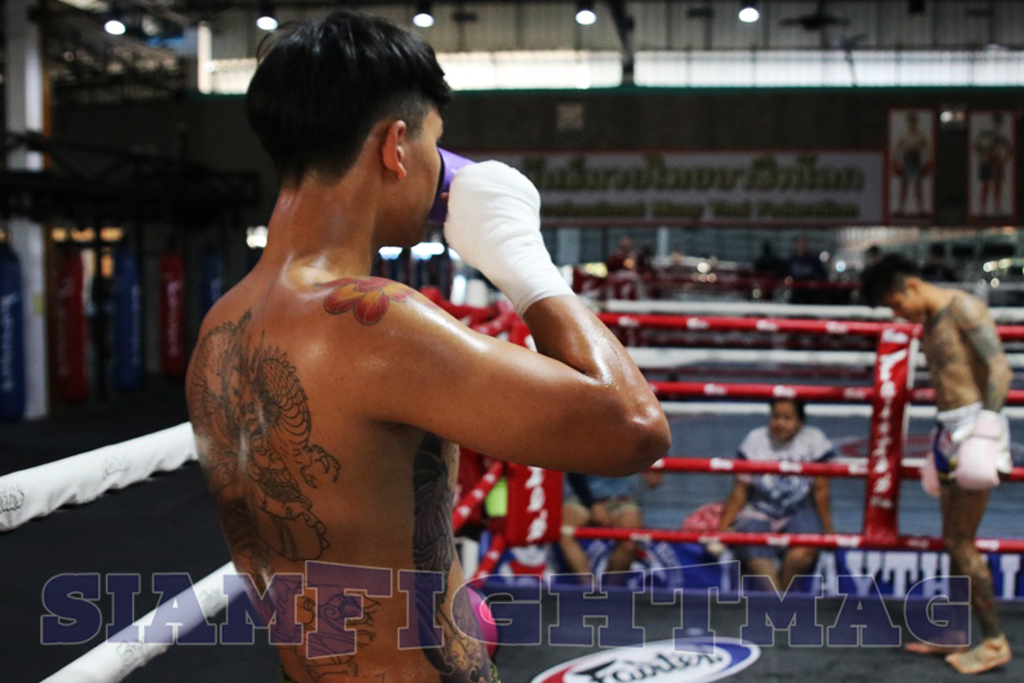
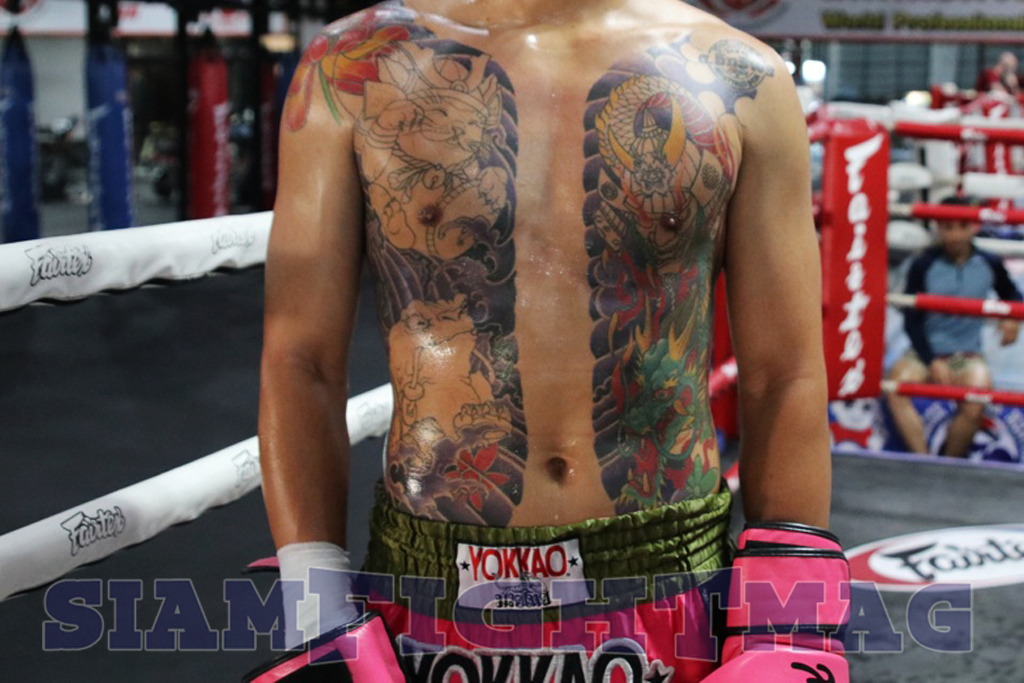
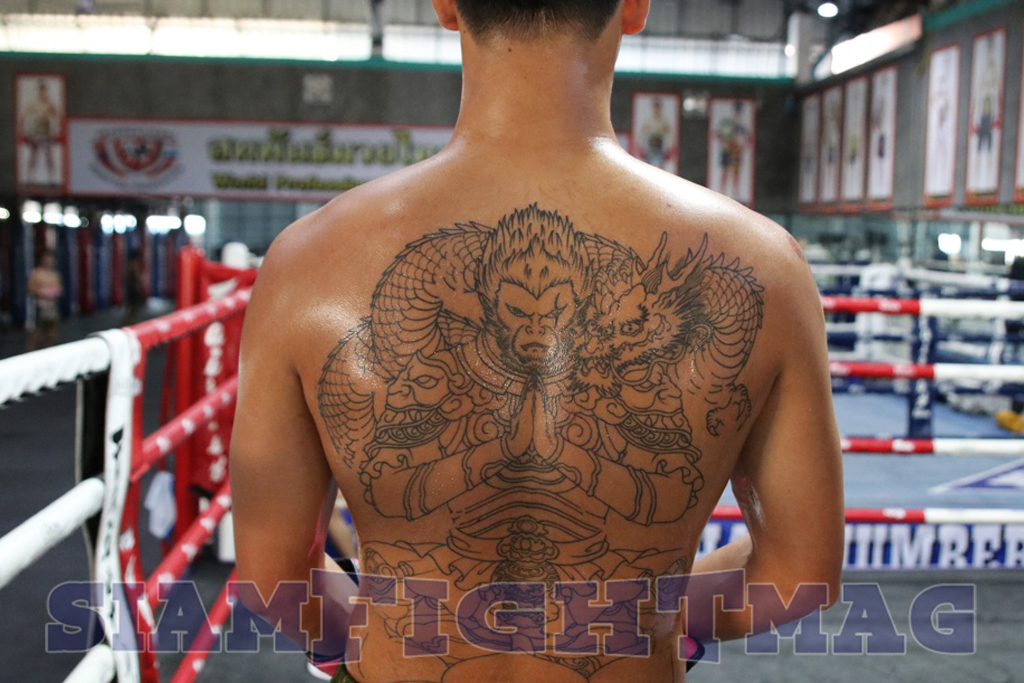
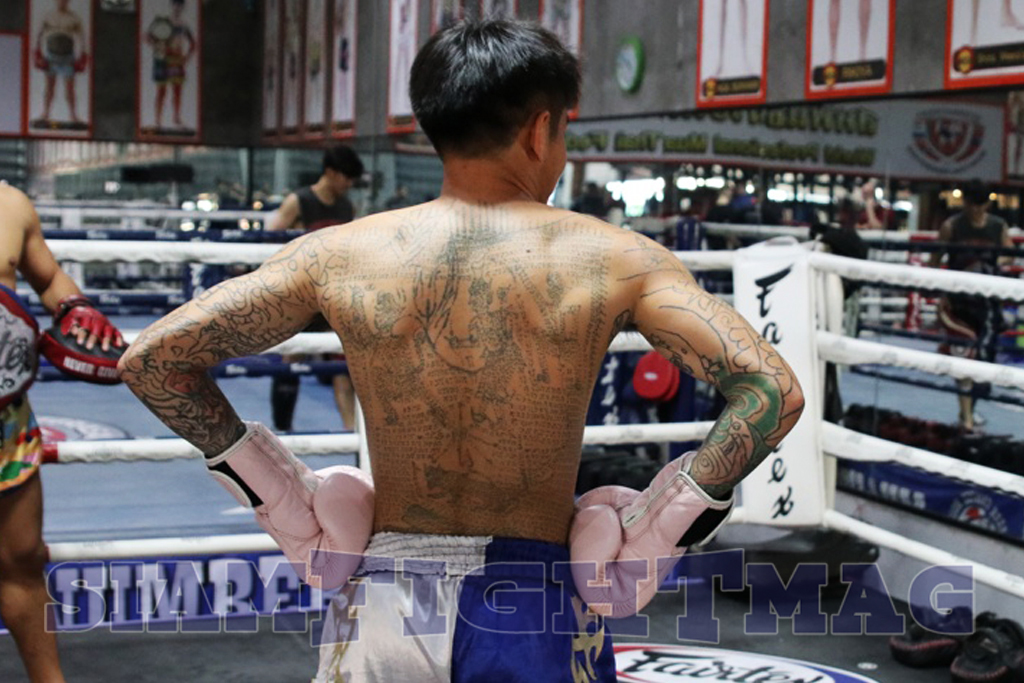
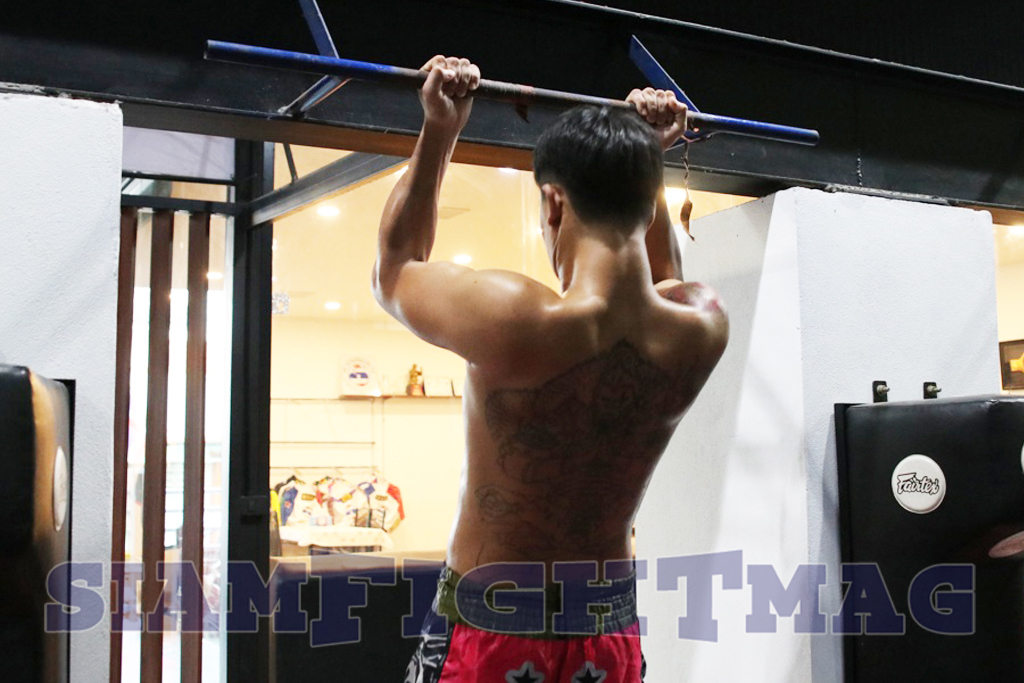
The Weerasakreck Gym, located in Nonthaburi, is a huge Muay Thai training camp. It has three large rings, an MMA cage, 25 punching bags, and a team of five renowned coaches.
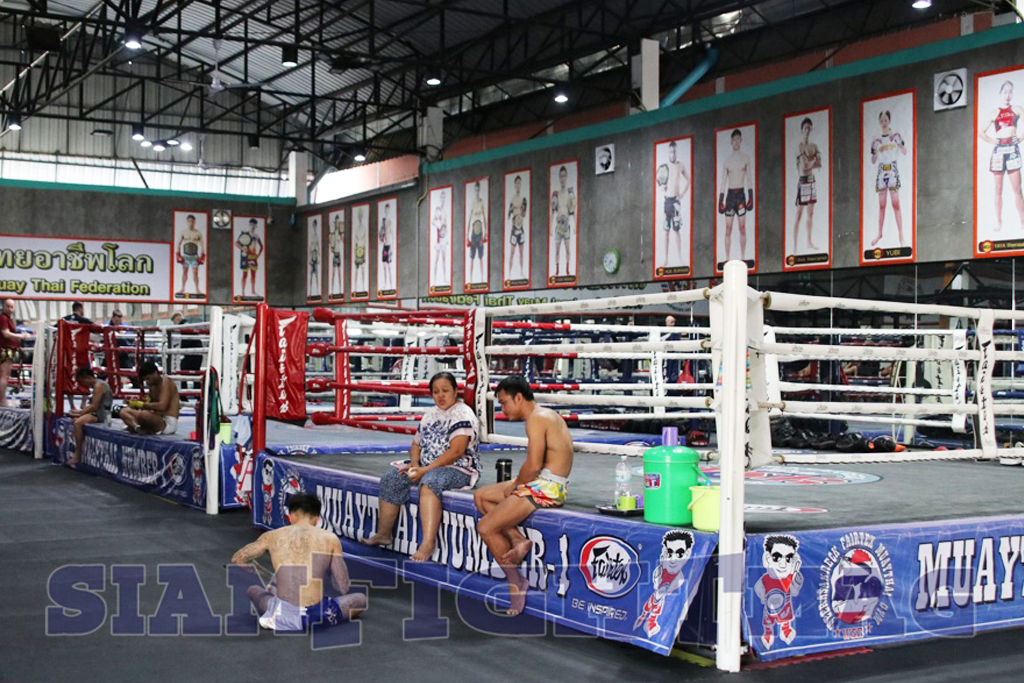
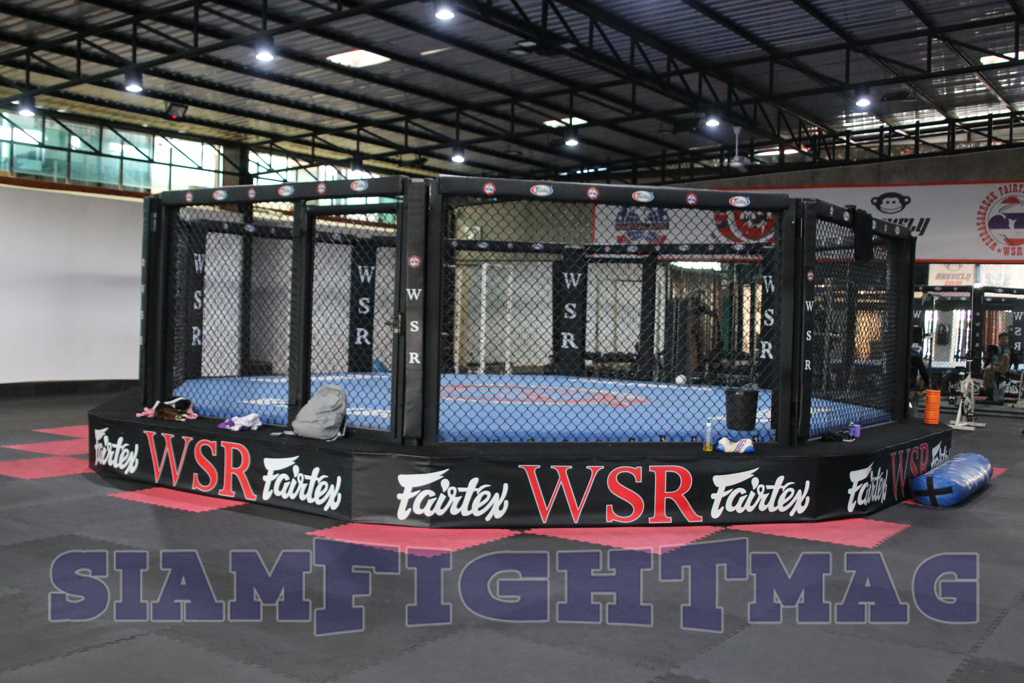
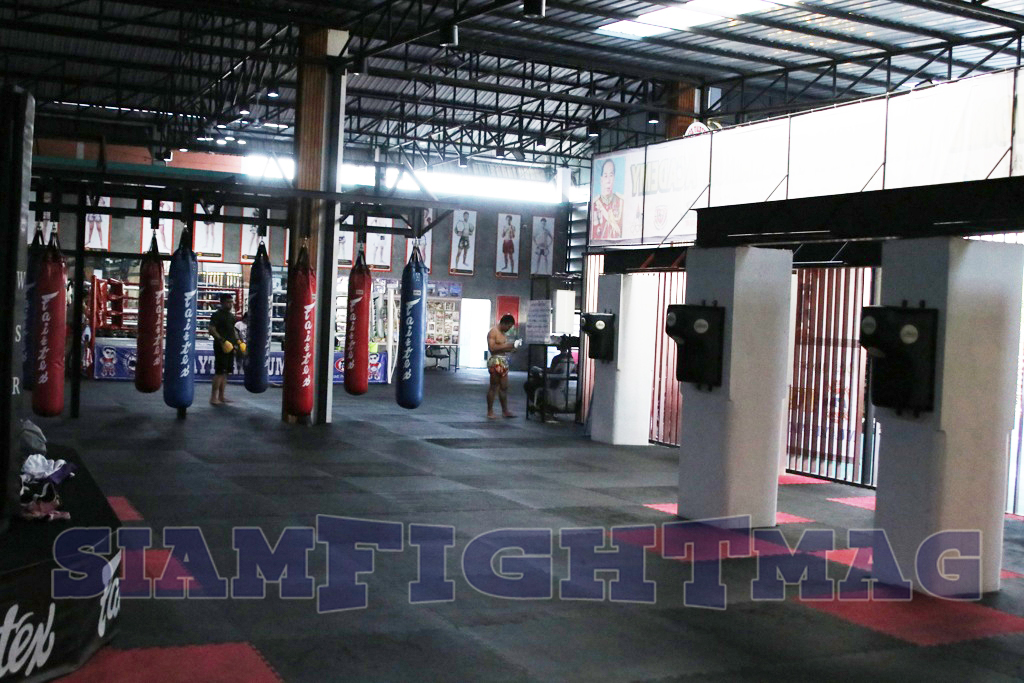
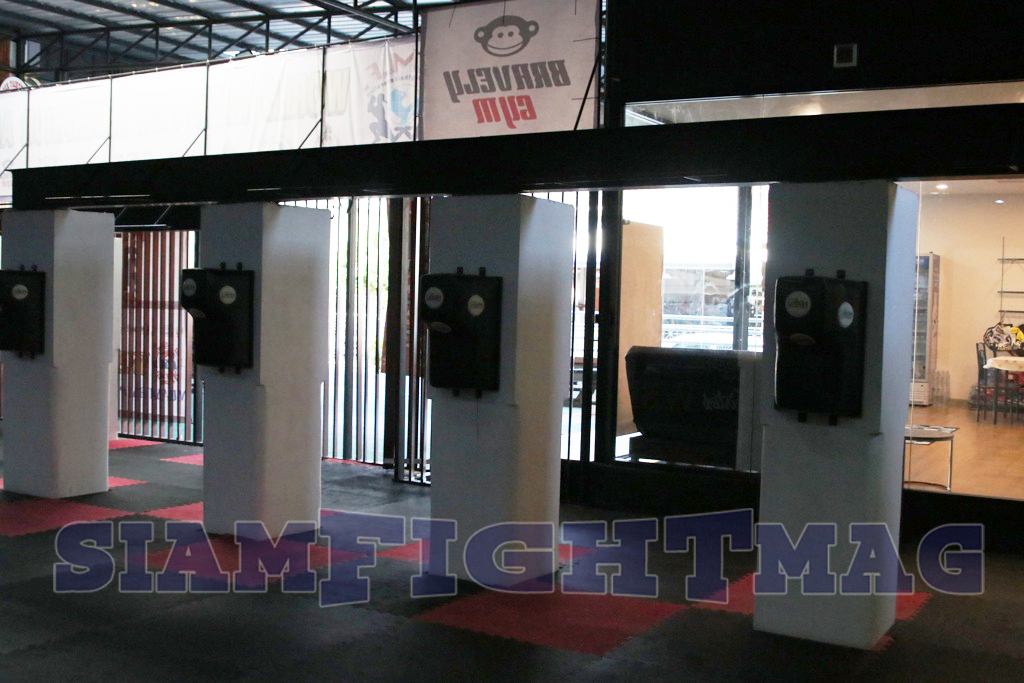
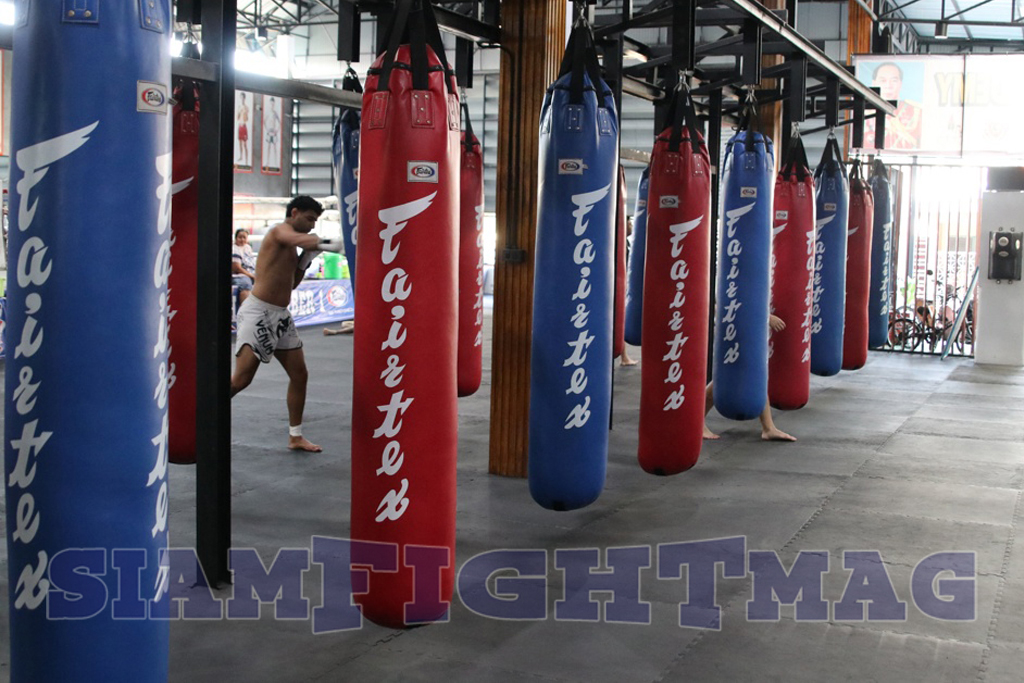
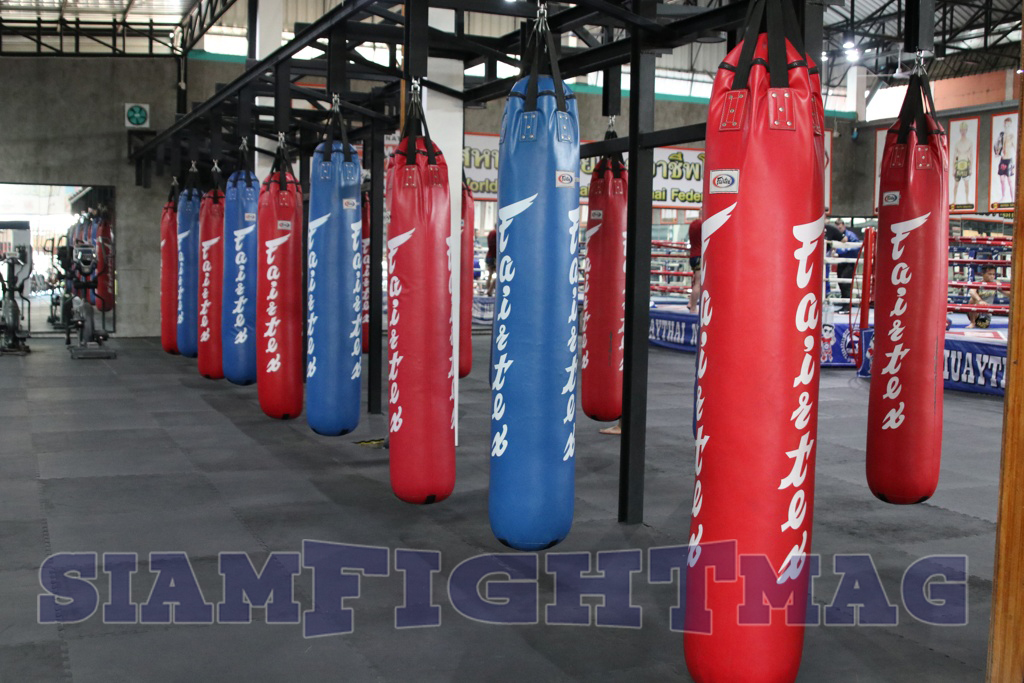
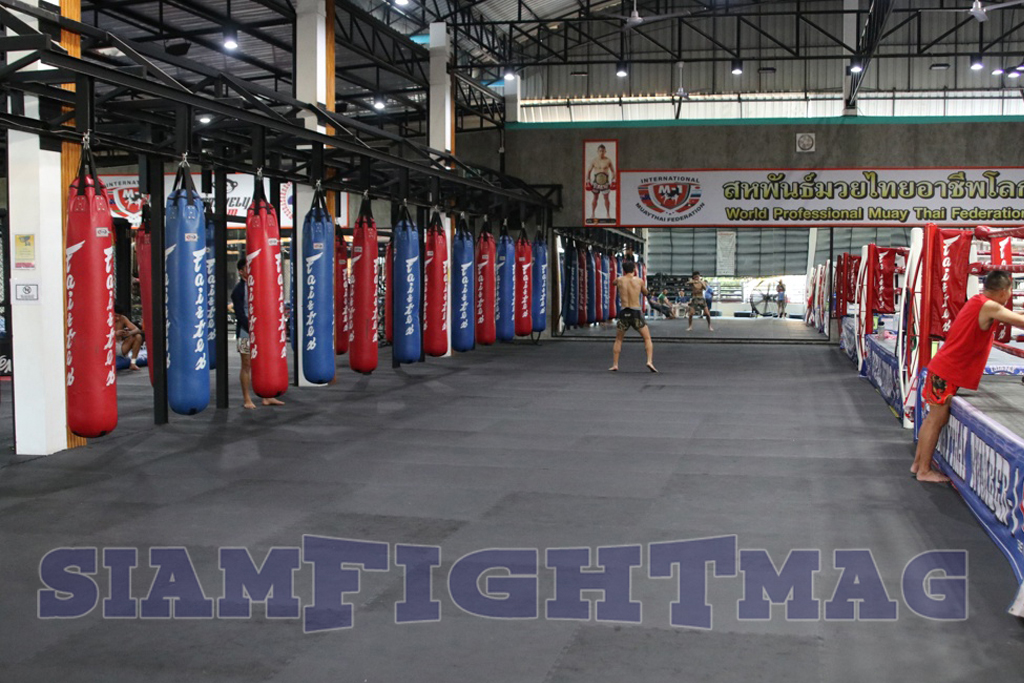
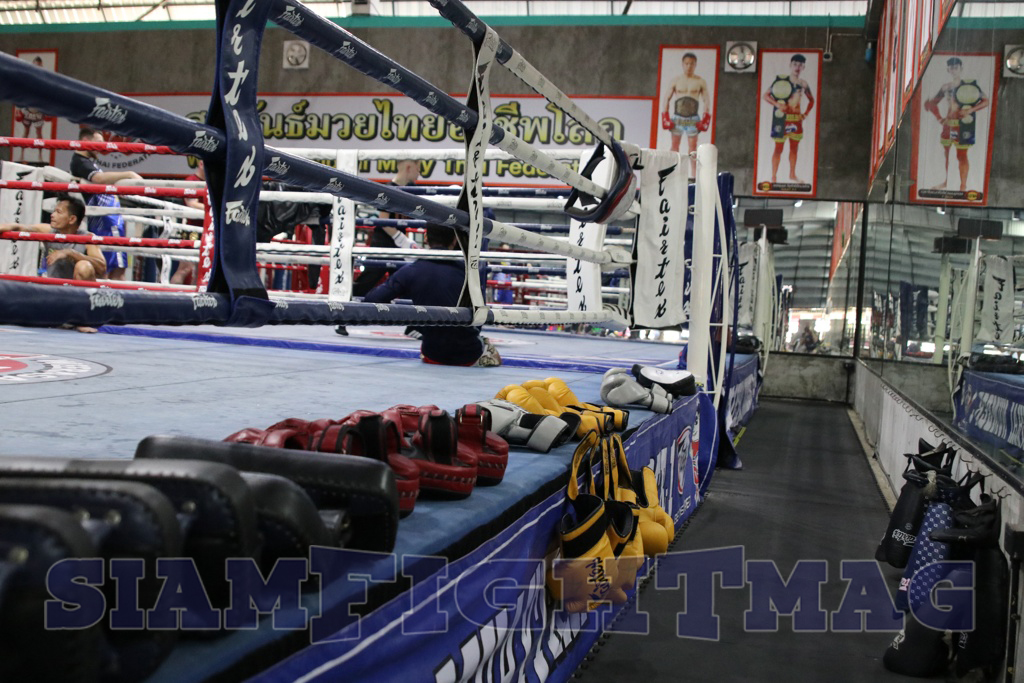
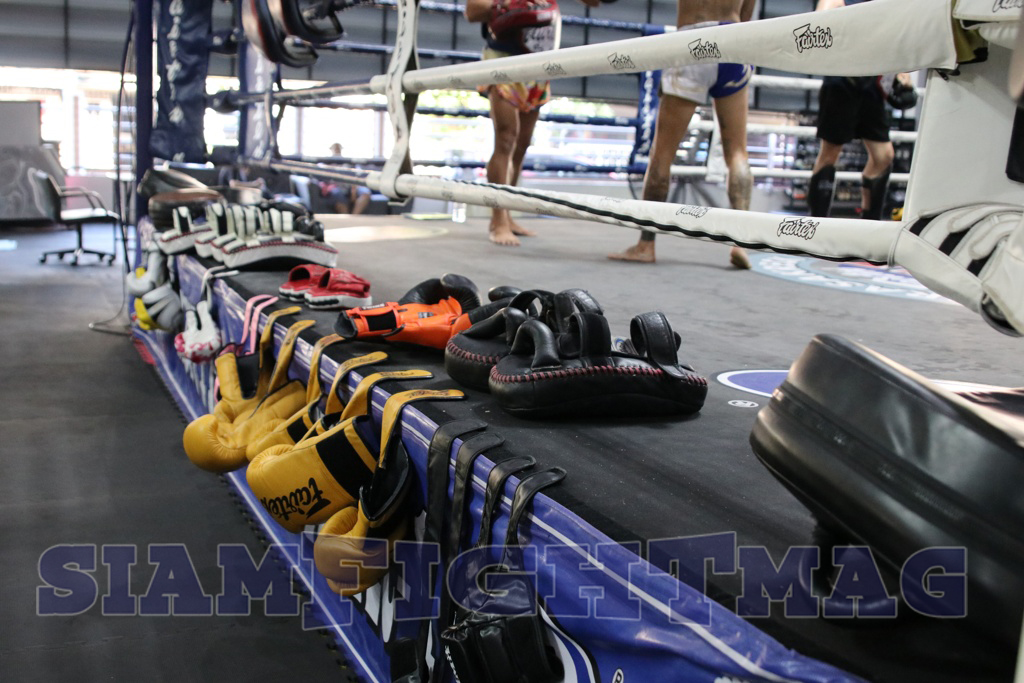
Khru Weerasakreck Wongprasert has trained a large number of Thai and foreign fighters, several of whom have subsequently competed in Japan. Among them is Yokkisaada Yuthachonburi, a former Rajadamnern champion, who distinguished himself in his 2019 fight in Japan against Japanese star Takeru Segawa.
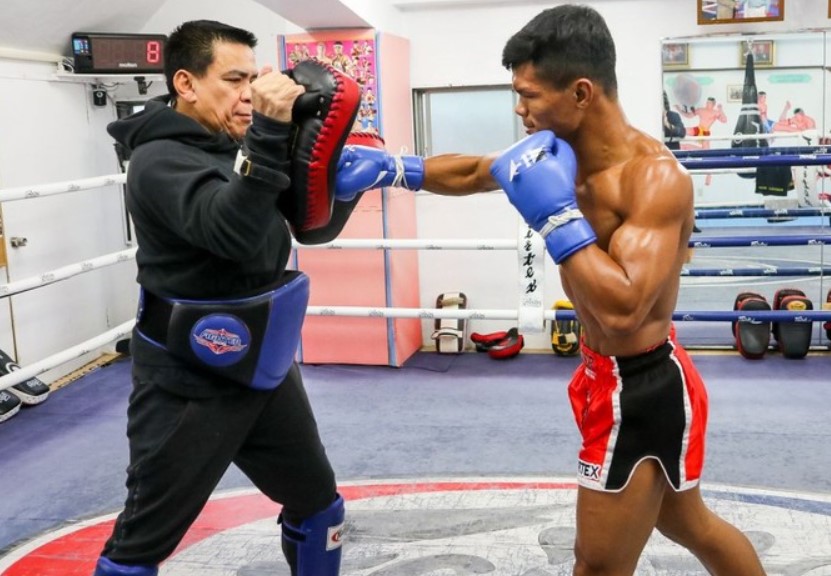
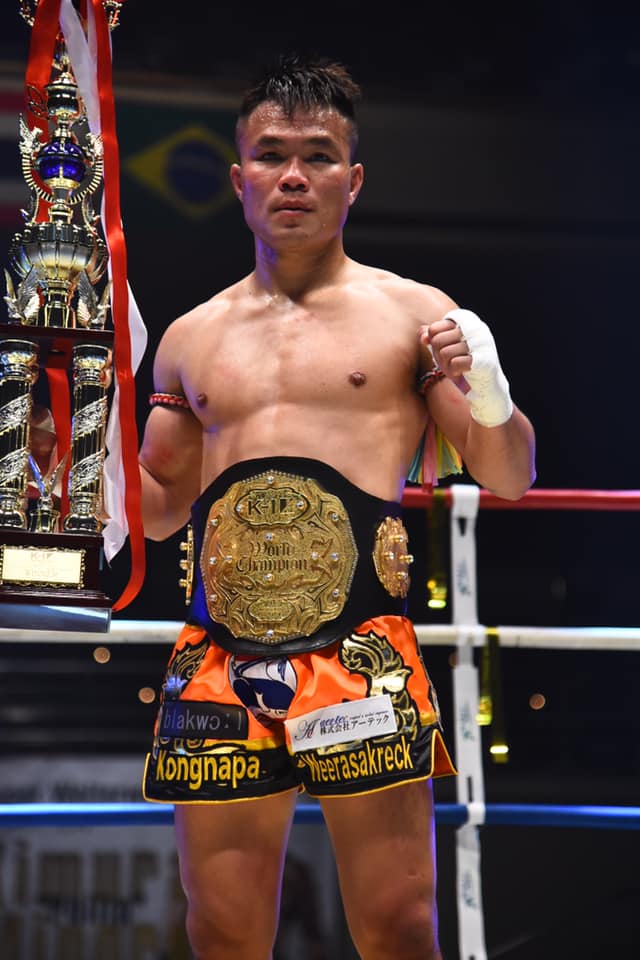
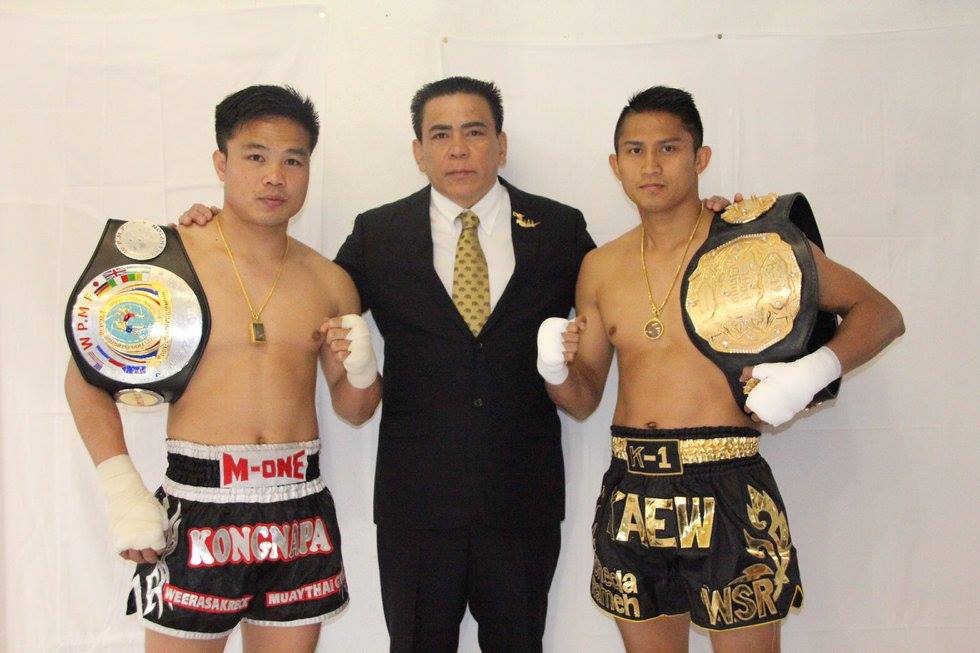
Among the most prominent figures of the Weerasakreck Gym is Kongnapa, winner of the K-1 World MAX tournament in -65 kg in 2020, Krush world champion in -63 kg in 2018 and WPMF world champion in 2015. He is now a coach at the Weerasakreck Gym.
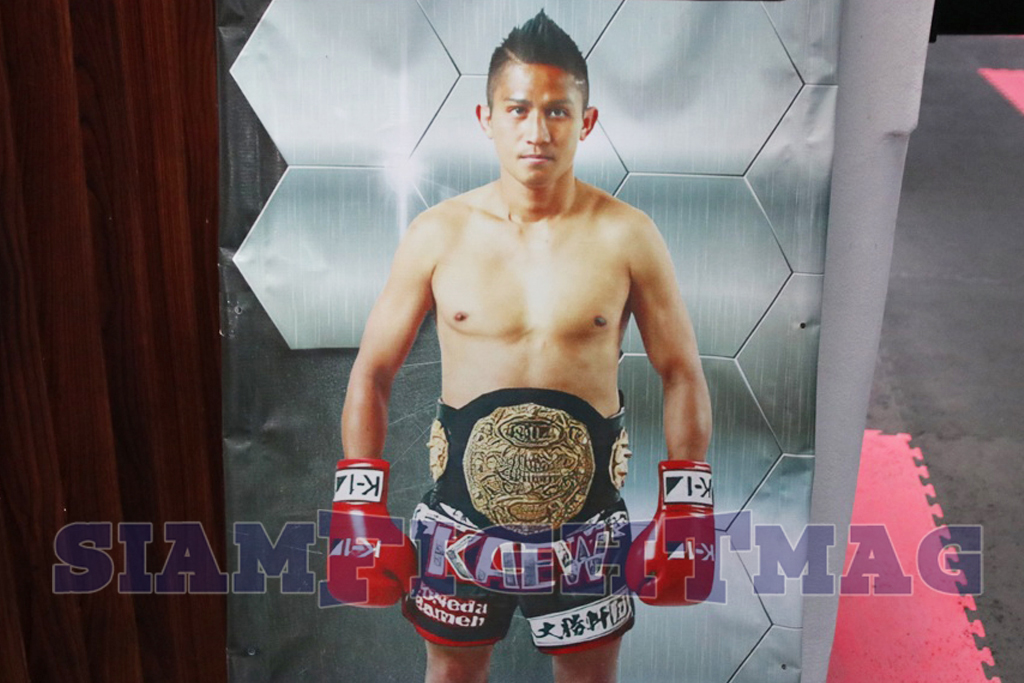
Another iconic name is Kaew (Fairtex), three-time winner of the K-1 World MAX in 2014, 2016 and 2018 in the -65 kg category, also Lumpinee champion, Thailand champion and WBC world champion, who then joined the Thai army.
Finally, Yodkhunphon (Sitmonchai), winner of the 2024 K-1 World MAX in the -65 kg category and the 2018 Top King World Series in the -70 kg category, continues his career as a coach at the renowned Venum camp in Pattaya.
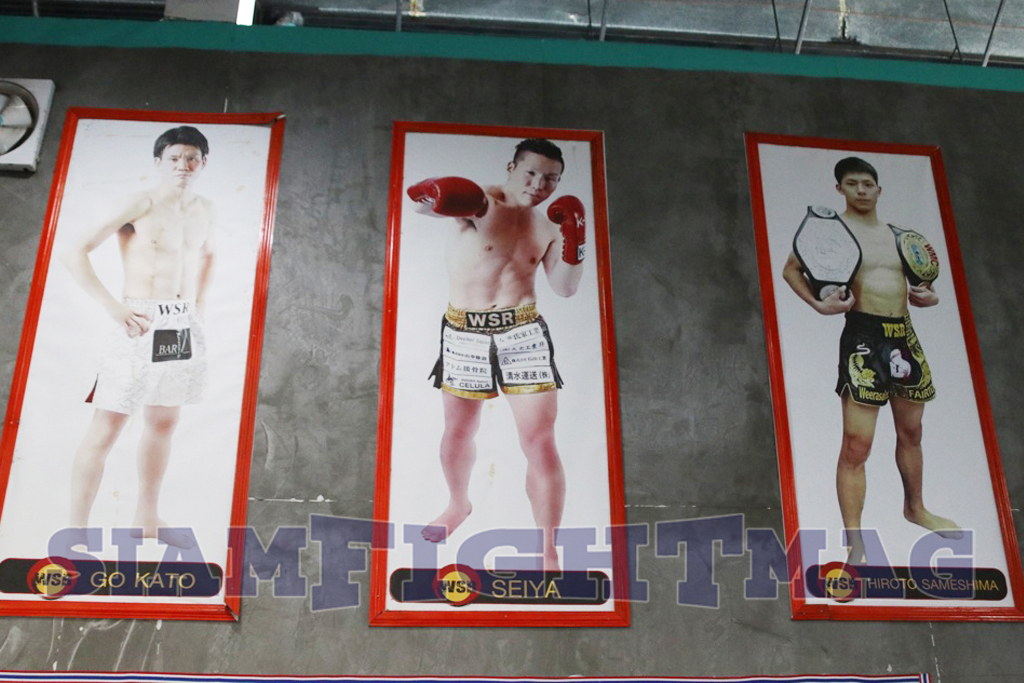
The Weerasakreck Gym also boasts female champions, including Japanese fighters Yaya Wirasaklek, the first J-GIRLS super flyweight champion, and Kate Wirasaklek, the M-1 Japan flyweight champion.


Weerasakreck Gym
349 No. 6/2, Moo 13
Bang Rak Phatthana
district de Bang Bua Thong
Nonthaburi 11110
Thaïlande